

S006 / Industries/ 002 Oil & Gas / Energy

002 / 011

Oil & Gas / Energy

Run safer, more reliable operations on data you can defend.

Webisoft helps energy and resource operators modernize field operations, compliance, and reporting: field data captured once, SCADA and sensor data put to use, permits and incidents tracked, and every record auditable.

A senior, in-house team since 2016. SOC 2 Type II, AWS Partner.

In business since 2016AICPA SOC 2 Type II HIPAA compliantAWS PartnerGreat Place To Work Certified, Sep 2026 to Sep 2027, Canada
001/

Energy

Energy and resource transformation

Field operations, compliance, and reporting still run on spreadsheets and aging tools that break when the work scales. Readings get transcribed, inspections live in binders, and the regulator asks for a record nobody can find. The cost shows up as downtime, failed audits, and skilled staff doing data entry.

Our work in this sector includes production systems for an offshore-energy operator and a critical-minerals developer.

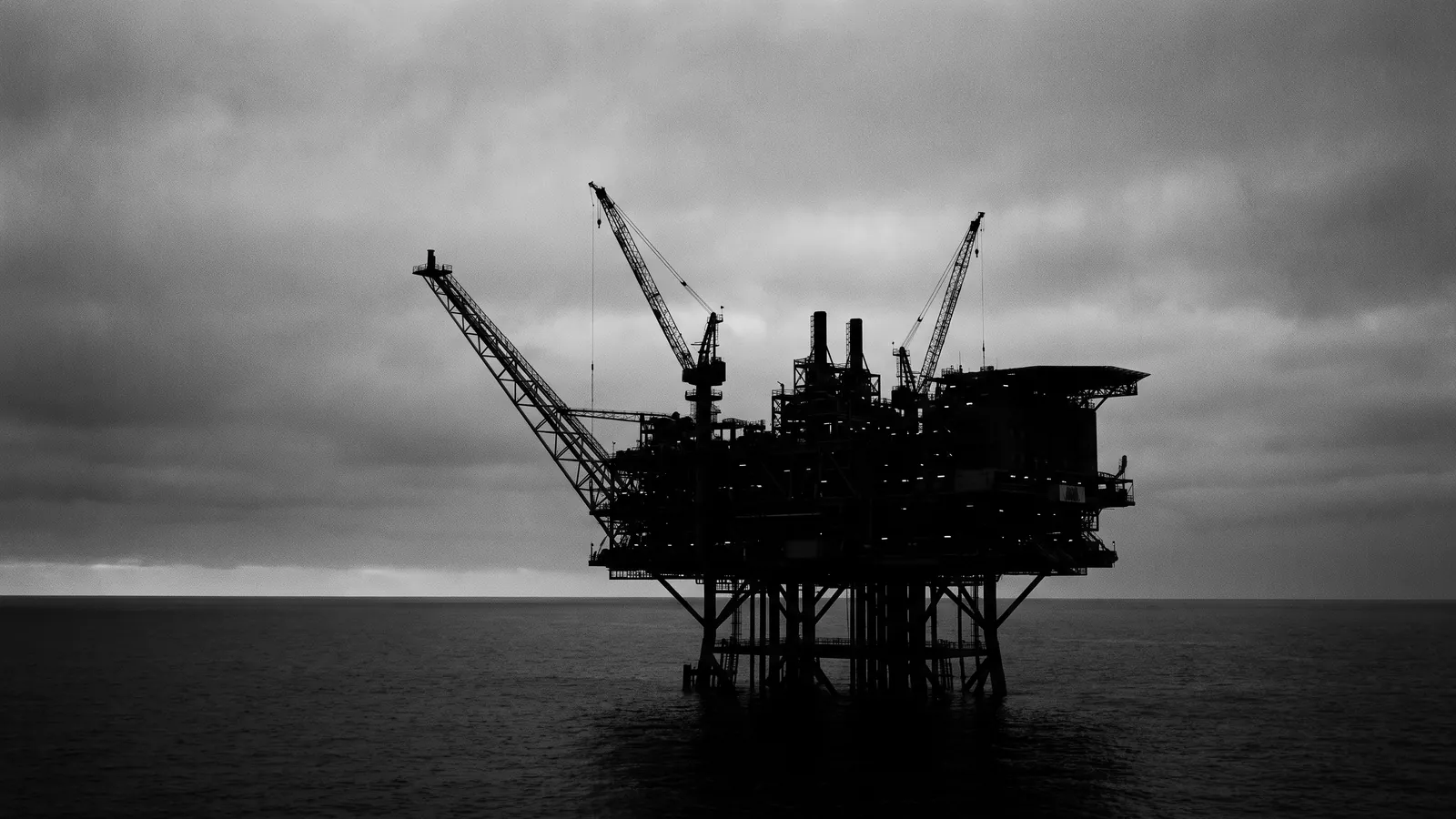
Offshore energy platform at dusk
002/

How

Field data you can act on and defend

  1. Reliable field data

    Gauge readings, inspections, and work orders are captured once on the device the crew carries, offline if the site has no link, and synced to one system. Operators stop transcribing from paper and start acting on what the trend shows.

  2. Auditable compliance

    Permits to work, incidents, training, and environmental monitoring are recorded with who, when, and what evidence. When the regulator or an investigator asks, the answer is a report, not a search through binders.

  3. Uptime by design

    Systems built for remote sites, satellite links that drop, and tablets that get dropped. Monitoring and failover are part of the architecture, not an afterthought.

003/

How we modernize energy operations

We help oil and gas, mining, and energy operators modernize the platforms that run field operations, logistics, and compliance, and we connect them to the sensors, historians, and ERP systems already on site.

Every platform assumes remote locations, rugged devices, and regulators who will ask for the record years later.

  1. 01

    One system for field operations

    Field data capture, work orders, shift handover logs, logistics, and daily production reporting in one system.

  2. 02

    Safety and compliance on record

    Permit-to-work, incident reporting, inspections, training and competency records, and environmental monitoring with full audit trails.

  3. 03

    Maintenance driven by condition

    Equipment registers, preventive maintenance scheduling, and condition-based alerts fed by historian and sensor data.

  4. 04

    Connected systems

    SCADA and historians over OPC UA and Modbus, IoT gateways over MQTT, GIS, ERP and CMMS, and regulator submission formats.

  5. 05

    Numbers that reconcile

    Production, HSE, and emissions dashboards that reconcile field data with finance and regulatory filings.

004/

Services

Our services for energy operators

  1. /001

    Advisory

    A fractional CTO or technical review for operators whose systems grew site by site. We audit the stack, the data flows from the control network to the office, and the single points of failure, then leave you with a roadmap your operations and IT leads own.

  2. /002

    Operational platforms

    Custom operational and compliance platforms, ERP integration including Odoo, and infrastructure built for remote sites with unreliable connectivity.

  3. /003

    Integration and data

    We connect SCADA, historians, sensors, GIS, and ERP through documented interfaces with monitoring, so a dropped feed is caught before it corrupts a production report.

  4. /004

    AI and automation

    OCR on inspection forms and well files, anomaly detection on historian streams, and decision support for maintenance scheduling, all trained on your own operating data.

Methodology

Our transformation methodology

We run energy projects on short cycles and prove each release at one site before it goes to the field at large. You see it working on your own equipment before you commit the operation to it. Here is how a typical project runs.

  1. 1

    Connect

    Talk, under NDA, with a team that has already modernized regulated field operations.

  2. 2

    Estimate

    We map your sites, systems, and compliance obligations, then give you a scoped estimate of timeline and cost.

  3. 3

    Deliver

    Once you approve the scope, we deliver in short iterations and test each one against real historian data and field devices.

  4. 4

    Launch

    We pilot at one site with field crews trained, fix what the field finds, then roll out site by site.

  5. 5

    Support

    We monitor integrations and infrastructure, respond to incidents, and keep the platform current with regulatory changes.

Hiring models

Ways to engage our energy team

(3)
  1. H/001

    Dedicated team

    A dedicated team assigned to your operational platform, coordinated by a consultant who keeps delivery aligned with your HSE and production goals.

  2. H/002

    Team extension

    Add senior specialists who already understand SCADA, field data, and compliance records into your OT or IT team, working on your process and tools.

  3. H/003

    Project-based

    We take the project end to end: discovery, delivery, integration, site rollout, and support, with one project manager as your point of contact.

007/

Energy capabilities

Where we add value on energy work

Field systems have to work where there is no signal, survive hardware that gets dropped, and produce records a regulator will accept years later. These are the areas where our energy work goes deeper than a dashboard over a spreadsheet.
  1. Offline-first field capture

    Mobile and tablet apps that capture readings, inspections, and work orders without connectivity and sync when a link returns, with conflict resolution that preserves both versions for review. Forms are versioned so a record always shows which form it was captured on.
  2. SCADA and sensor integration

    We read from historians, PLC gateways, and IoT sensors through OPC UA, Modbus, MQTT, and vendor APIs, normalize the data, and store it with provenance. Monitoring catches stale or out-of-range feeds before they reach a production report.
  3. Compliance records and audit trails

    Permit-to-work, incident, inspection, and environmental records with immutable history, evidence attachments, and retention rules. Reports are generated in the formats your regulator accepts, and every record can be reconstructed as it stood on any date.
  4. Asset and maintenance management

    Equipment registers, maintenance plans, and condition-based alerts fed by sensor data, integrated with your ERP or CMMS so work orders and parts flow without re-entry.
  5. Resilient infrastructure

    Architecture for remote sites: edge components that keep working when the link drops, cloud components on AWS with infrastructure as code, and failover tested rather than assumed.
  6. Production and emissions reporting

    A single data model across production, HSE, and environmental monitoring, with dashboards for operations and exports for finance, joint-venture partners, and regulators that reconcile to the same numbers.

How we work

How an energy engagement runs

(4)
  1. 1

    Site and systems discovery

    We visit or walk through your sites with operations, HSE, and IT, and we map every control system, historian, sensor feed, and paper process. The output is a written architecture, an integration inventory with OT security constraints marked, and a milestone-priced delivery plan that belongs to you regardless of who builds it.
  2. 2

    Prove it in real field conditions

    We connect the systems first and test them against live historian data in a staging environment. Field apps are tested on the rugged tablets your crews carry, with the radio off. You review progress at each milestone.
  3. 3

    Pilot site, then rollout

    We launch at one site with crews trained and a support channel open. What the field finds in the first weeks shapes the next release. Then we roll out site by site on a schedule operations controls.
  4. 4

    Operate and keep compliant

    Post-launch we monitor feeds and infrastructure, respond to incidents, and update record types and reports as regulations change. Your IT and OT leads receive the repositories, the infrastructure definitions, and the admin tools, with the OT boundary documented for the next security review.

Proof

We have delivered production systems for an offshore-energy operator and a critical-minerals developer.

SOC 2 Type II / HIPAA / AWS Partner / Clutch 4.9/5

FAQ (012)

Oil & Gas / Energy questions buyers ask us

001What is the difference between OT and IT, and why does it matter for site software?

Operational technology is the equipment and software that controls physical processes: PLCs, SCADA, distributed control systems, and safety systems. IT is the business side: ERP, email, reporting. OT is engineered for availability and safety over a long lifecycle, and most operators segment it from IT with firewalled zones and a DMZ, often following models such as the Purdue reference architecture and standards such as IEC 62443. A well-built operational platform lives on the IT side and reads from the control network through a historian or a one-way channel rather than connecting to controllers directly.

002What is a process historian, and how does a custom platform use it?

A historian is a time-series database that records tag values from SCADA and control systems at high frequency, with compression, quality flags, and long retention. It is the natural place for business software to read operational data, because it already sits at the boundary and never writes back to equipment. A well-built platform reads from the historian through its API or OPC interface, maps tags to assets with units and time zones handled explicitly, and treats quality flags as data rather than ignoring them.

003How does field data capture work at sites with no connectivity?

Crews on a lease, a platform, or an exploration camp often work for hours or days without a usable link, so a field app has to store readings, inspections, photos, and signatures on the device and sync when a satellite or cellular connection returns. The hard parts are conflict handling when two people edit the same record, clock drift on devices, and knowing which form version was in use. A well-built app is offline-first, versions its forms, preserves both sides of a conflict for review, and stamps every record with its capture time and location.

004What does permit-to-work software need to do?

Permit-to-work is the formal process that authorizes hazardous work such as hot work, confined-space entry, or work on isolated equipment, with gas tests, isolations, approvals, time limits, and checks for conflicting simultaneous operations. Paper permits still dominate because they must be visible at the work site and survive a lost connection. A well-built system models the permit lifecycle with approvals and isolation registers, checks for conflicts across the site, prints or displays the permit at the job, and keeps an unalterable history that an investigator can reconstruct after an incident.

005Which safety and environmental reporting obligations shape the data model?

It depends on the activity and jurisdiction: federally regulated pipelines and offshore projects in Canada answer to bodies such as the Canada Energy Regulator and the offshore petroleum boards, provincial regulators such as the Alberta Energy Regulator cover most upstream activity, and in the United States agencies such as OSHA, EPA, BSEE for offshore, and PHMSA for pipelines set their own record and reporting rules. The common thread is that incidents, inspections, emissions, spills, and training must be recorded with evidence and retained for years. Your compliance team should confirm the exact obligations; a well-built platform treats record types, retention periods, and submission formats as configuration so they can be adjusted without a release.

006How does production data reconcile between the field, operations, and finance?

Production accounting takes measured volumes from meters and tanks, allocates them to wells, facilities, and working-interest partners, and adjusts them when estimates are replaced by actuals at month-end. Field readings, historian values, and the ERP rarely agree on the first pass because of unit conversions, late corrections, and manual estimates. A well-built system keeps the provenance of every number, versions each allocation run, and shows finance exactly which field inputs produced the volume on the invoice.

007Which industrial protocols are used to get data out of control systems?

OPC UA is the current standard for reading tags from PLCs and SCADA servers, with OPC DA still common on older installations. Modbus TCP and RTU remain widespread on field devices, DNP3 is common in utilities and pipeline SCADA, and MQTT, often with the Sparkplug B payload specification, is used by IoT gateways and newer sensors. Modbus has no authentication, so it must never be exposed beyond the control network; a well-built platform reads these protocols through a gateway or historian inside the OT zone and only forwards normalized data across the boundary.

008What is a CMMS, and should maintenance live in it or in the ERP?

A computerized maintenance management system holds the equipment register, preventive maintenance plans, work orders, and spare parts, while the ERP holds procurement, inventory valuation, and cost accounting, and larger ERPs include their own asset management modules. Running maintenance in both without a clear system of record is how duplicated work orders and unposted costs happen. A well-built architecture picks one system of record for work orders, integrates parts and costs with the ERP, and lets condition data from the historian raise work orders automatically.

009How should a platform handle joint-venture partners and contractors?

Most upstream assets are owned by several working-interest partners who are entitled to production, cost, and HSE data under the joint operating agreement, and contractors on site need permits, training records, and inspections but nothing else. Access therefore has to be scoped per site, per partner, and per record type rather than per company. A well-built system enforces that scoping in the data layer and logs every access, which satisfies both the partners and the auditors.

010What makes an operational record defensible years after it was created?

An investigator or regulator will want to know who recorded it, when, on which version of the form, what evidence was attached, and whether anyone changed it afterward. Records that live in editable spreadsheets or in a vendor system with no change history fail that test. A well-built platform keeps immutable history with time-synced stamps, stores evidence alongside the record, applies retention schedules, and can export a record exactly as it stood on any past date.

011How do emissions and ESG reporting fit with operational data?

Greenhouse gas and methane reporting draws on operational inputs such as fuel use, flaring and venting volumes, equipment counts, and leak detection surveys, and regimes such as the federal Greenhouse Gas Reporting Program in Canada, provincial programs, and the EPA program in the United States each prescribe their own methods and emission factors. Factors and methods change over time, so a report must record which version it used. A well-built system keeps calculation methods and factors versioned and preserves lineage from each reported figure back to the field data behind it.

012What does Webisoft need before quoting an operational platform for a multi-site operator?

A list of sites with their connectivity, the control system and historian vendors at each, your OT security policy and the boundary your OT team will allow data to cross, the regulators and record types you report to, and the spreadsheets and forms your crews use today. From that we write an integration inventory and propose a first phase that replaces the record or form causing the most pain at one site.

Oil & Gas / Energy

What would you improve first?

Costs, speed, revenue or hours of manual work. Tell us what matters most and we will show you how we would approach it.

  1. 001

    We read every request

    Someone who has worked in your sector, not a sales queue.

  2. 002

    We reply with a first view

    How we would approach it, and a time to talk.

  3. 003

    Scope under NDA

    We review what you run today and come back with scope, timeline and cost.

NDA available on request