AI agent companies build software that plans and executes multi-step work: reading a request, querying systems, taking an action, and reporting back, with a human approving the steps that matter. Through 2024 and 2025 the category moved from chatbot pilots to production automation, as model vendors shipped dedicated agent APIs and enterprises started wiring agents into finance, healthcare, retail, and software workflows.
The market splits into three groups, and knowing which one you are buying from saves months. Platform vendors such as OpenAI, Microsoft, Google, Anthropic, Amazon, IBM, and NVIDIA sell the models, SDKs, and runtimes. Product companies such as Cognition, Leena AI, Simular, and Plivo sell a finished agent for a specific job. Development partners such as LeewayHertz, Markovate, and Webisoft design and build custom agents on top of the platforms. This guide covers 17 companies across all three groups, what each actually sells, and the trade-offs to weigh before you commit.
How These Companies Were Selected
Every company on this list ships real agent tooling, not a rebranded chatbot. Four criteria drove inclusion: a documented API, SDK, or product surface; support for tool use, meaning the agent can call external systems rather than only generate text; enterprise controls such as identity, audit logging, and data isolation; and evidence of production deployments. Where a vendor's public claims could not be verified, the numbers were left out.
| Company | Category | Best for |
|---|---|---|
| OpenAI | Platform vendor | Fast agent development on frontier models |
| Microsoft | Platform vendor | Agents inside Microsoft 365 and Azure estates |
| Google AI | Platform vendor | Open frameworks and cross-vendor interoperability |
| LeewayHertz | Development partner | Low-code agent builds on the ZBrain platform |
| Anthropic | Platform vendor | Safety-focused agents and MCP tool integration |
| Human AI Labs | Product platform | Personal and branded memory agents |
| Adept | Research and licensing | Screen-level UI automation patterns |
| Inflection AI | Platform vendor | On-premise enterprise model ownership |
| Markovate | Development partner | Self-hosted custom agent builds |
| IBM | Platform vendor | Governed agents in regulated industries |
| NVIDIA | Infrastructure | Hardware and microservices under agent workloads |
| DeepMind | Research lab | Frontier agent research reaching Google Cloud |
| Amazon | Platform vendor | Agent building and a marketplace inside AWS |
| Simular | Product platform | Open-source computer-use automation without APIs |
| Leena AI | Product platform | Employee-facing HR, IT, and finance support |
| Cognition | Product platform | Autonomous software engineering with Devin |
| Plivo | Product platform | Customer agents over messaging and voice channels |
17 Top AI Agent Companies Leading The Market In 2025
1. OpenAI
- Website: https://openai.com
- Founded in: 2015
- Headquarters: San Francisco, California, United States
- Key offerings: Responses API, Agents SDK, built-in tools (web search, file search, computer use), Operator, ChatGPT agent, observability tooling
OpenAI turned agents from demos into a product line in 2025. The Responses API and Agents SDK, released in March 2025, give developers one interface for tool calling, handoffs between agents, and tracing, and the built-in tools cover web search, file search, and computer use so an agent can browse, read internal documents, and operate a virtual machine without custom plumbing. The ChatGPT agent, launched in July 2025, merged the earlier Operator and Deep Research products into a single assistant that handles multi-step tasks such as market research and data analysis. The trade-off is coupling: the stack assumes OpenAI models end to end, and per-token plus per-tool pricing needs active monitoring once agents run at volume.
2. Microsoft
- Website: https://www.microsoft.com
- Founded in: 1975
- Headquarters: Redmond, Washington, United States
- Key offerings: Copilot Studio, Azure AI Foundry, GitHub Copilot coding agent, Microsoft Entra Agent ID, Copilot Tuning, Power Platform with AI Builder
Microsoft's bet is that agents need the same governance as employees. Entra Agent ID gives every agent its own identity, so access can be scoped, audited, and revoked the way an IT team manages a user account. Copilot Studio covers low-code agent building for business teams, Azure AI Foundry serves engineering teams with model choice and multi-agent orchestration, and the GitHub Copilot coding agent shown at Build 2025 takes an assigned issue, writes the fix in an isolated environment, and opens a pull request for human review. Copilot Tuning lets a company adapt agents to its own data. If your organization already runs on Microsoft 365 and Azure, this is the path of least resistance; if not, the platform's depth becomes overhead.
3. Google AI
- Website: https://ai.google
- Founded in: 1998 (Google Inc.); Google AI initiatives formalized in 2017
- Headquarters: Mountain View, California, United States
- Key offerings: Vertex AI Agent Builder, Agent Development Kit (ADK), Agent2Agent (A2A) protocol, Agent Garden, Gemini models, Google AI Studio
Google covers both ends of the build spectrum. Vertex AI Agent Builder is the managed enterprise route for assembling multi-agent systems that plug into existing data and workflows. For engineers who want code-level control, the open-source Agent Development Kit defines agent behavior, tools, and deployment in code, and Google AI Studio serves as the browser IDE for prototyping against Gemini models. The Agent2Agent protocol addresses a problem most vendors ignore: letting agents from different vendors discover and call each other instead of living in silos. The catch is assembly: the pieces are powerful but turning them into a production system still takes real engineering. Webisoft builds custom, high-impact AI agent solutions on top of Google's tooling and the other platforms in this list, scoped to specific enterprise workflows.
4. LeewayHertz
- Website: https://www.leewayhertz.com
- Founded in: 2007
- Headquarters: Gurgaon, Haryana, India
- Key offerings: ZBrain AI platform, ZBrain XPLR readiness assessment, ZBrain Builder low-code agent creation, LLM orchestration
LeewayHertz is a development agency whose main asset is ZBrain, a low-code orchestration platform for building LLM-based assistants and agent workflows. ZBrain XPLR runs AI readiness assessments, and ZBrain Builder assembles agents that handle compliance checks, contract analysis, legal research, and equipment troubleshooting. The firm works across healthcare, manufacturing, legal, and finance, and builds on multiple model families including GPT-4, Mistral, Llama, and Gemini, which reduces single-vendor exposure. As with any agency-plus-platform model, evaluate whether ZBrain's abstractions fit your stack or whether a fully custom build would leave you with fewer dependencies.
5. Anthropic
- Website: https://www.anthropic.com
- Founded in: 2021
- Headquarters: San Francisco, California, United States
- Key offerings: Claude model family (Opus 4, Sonnet 4), Model Context Protocol (MCP), code execution tool, Files API, prompt caching, computer use
Anthropic's influence on the agent ecosystem outweighs its product count because it created the Model Context Protocol, the open standard much of the industry now uses to connect agents to tools and data sources. The Claude 4 family, Opus 4 and Sonnet 4, released in May 2025, targets long-horizon coding and reasoning tasks, and the platform adds a code execution tool, a Files API, and prompt caching, which cuts cost on agents that repeatedly process the same context. Claude can operate a computer, fill forms, and draft documents, and Anthropic's safety research shows up in practice as more predictable escalation behavior. Partnerships with Databricks and AWS put Claude inside existing enterprise data pipelines, and Anthropic joined the AWS AI Agent Marketplace at its July 2025 launch.
6. Human AI Labs
- Website: https://personal.ai
- Founded in: 2020
- Headquarters: San Diego, California, United States
- Key offerings: Generative Grounded Transformer models, personal AI memory platform, multi-persona agents, SMS and Messenger channels, AI training platform on Google Cloud Marketplace
Human AI Labs, the company behind Personal AI, occupies a narrower niche: agents built on an individual's or a brand's own memory. Its Generative Grounded Transformer models train on a user's messages and documents, so the agent answers in that person's voice with their actual knowledge rather than a generic model's. MODEL-2, released in early 2024, added multi-persona, multi-modal, and multi-channel support including SMS and Messenger, plus hierarchical memory and voice cloning, and a later Small Language Model release on Google Cloud Marketplace targeted finance and government buyers who need contained, trainable models. This is the right tool for personal and branded knowledge agents; it is not a general workflow automation platform.
7. Adept
- Website: https://www.adept.ai
- Founded in: 2022
- Headquarters: San Francisco, California, United States
- Key offerings: ACT agent models, Fuyu-8B open multimodal model, Adept Workflow Language (AWL), custom actuation software
Adept pioneered screen-level agents: models that perceive a user interface the way a person does and act through mouse and keyboard. Its ACT models process invoices, fill forms, and navigate web applications, and the company open-sourced Fuyu-8B, a compact multimodal model, in October 2023. The important caveat for buyers is the 2024 restructuring: Adept licensed its technology to Amazon, and co-founder David Luan now leads an Amazon AGI lab, so the independent product roadmap is uncertain and any evaluation should start with a direct conversation about support. The underlying approach, agents that use existing software rather than APIs, remains the right pattern for legacy systems with no integration surface.
8. Inflection AI
- Website: https://inflection.ai
- Founded in: 2022
- Headquarters: Palo Alto, California, United States
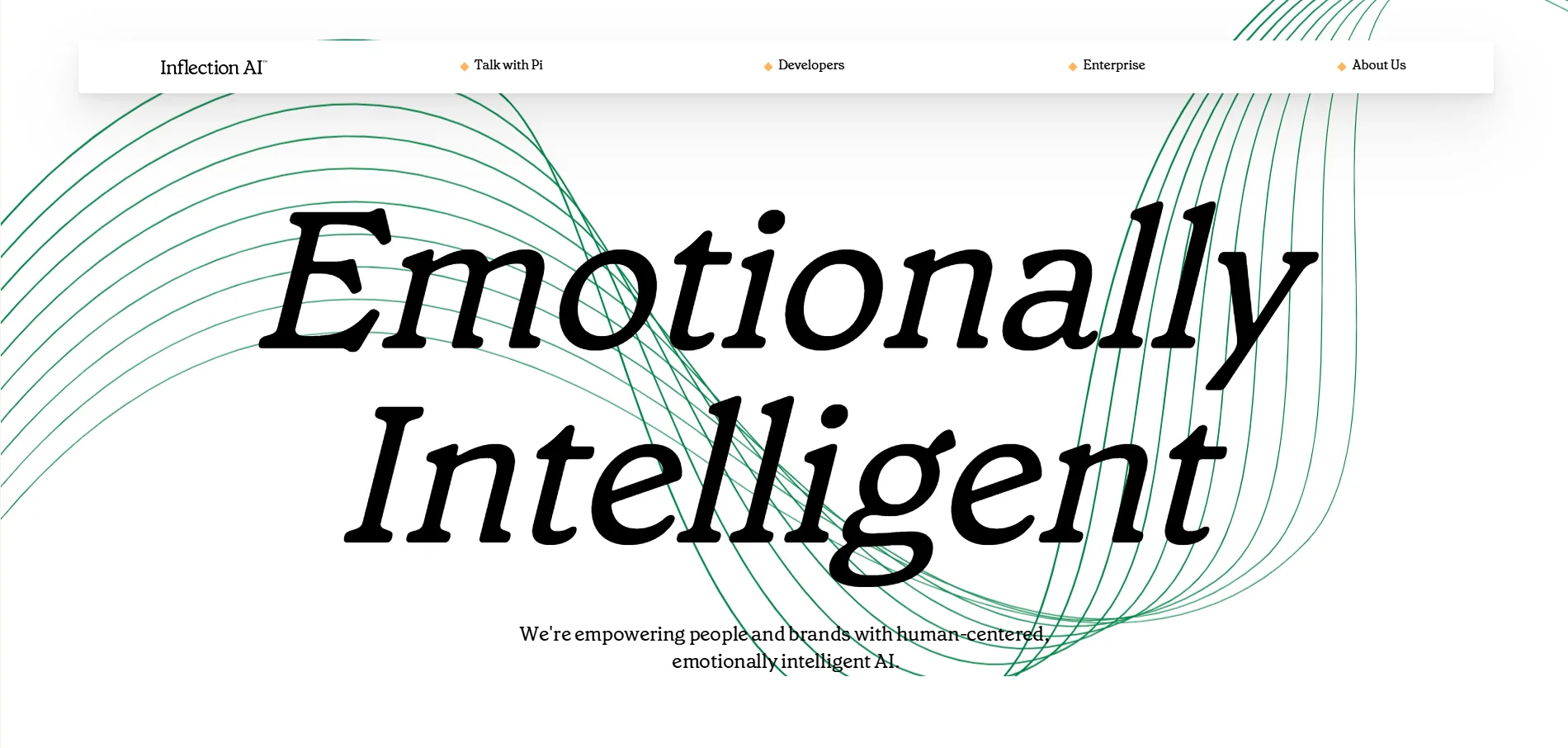
- Key offerings: Pi conversational AI, Inflection for Enterprise, custom model tuning, on-premise deployment, emotionally intelligent conversational models
Inflection AI, founded in 2022 by Reid Hoffman, Mustafa Suleyman, and Karen Simonyan, repositioned itself as an enterprise vendor after Microsoft hired most of its founding team in 2024. Its pitch is ownership: Inflection for Enterprise, built in partnership with Intel, lets a company run and fine-tune the model on its own infrastructure so sensitive data never leaves the building. The Pi heritage still shows in the models' conversational quality, which matters for agents that face employees or customers directly. Target sectors are advanced manufacturing, energy, financial services, and healthcare. The trade-off against the hyperscalers is ecosystem size: fewer integrations and a smaller developer community, exchanged for control and predictable cost.
9. Markovate
- Website: https://markovate.ai
- Founded in: 2023
- Headquarters: San Francisco, California, United States
- Key offerings: Custom AI agent development, self-hosted agentic assistant, multi-agent orchestration, workflow automation, systems integration
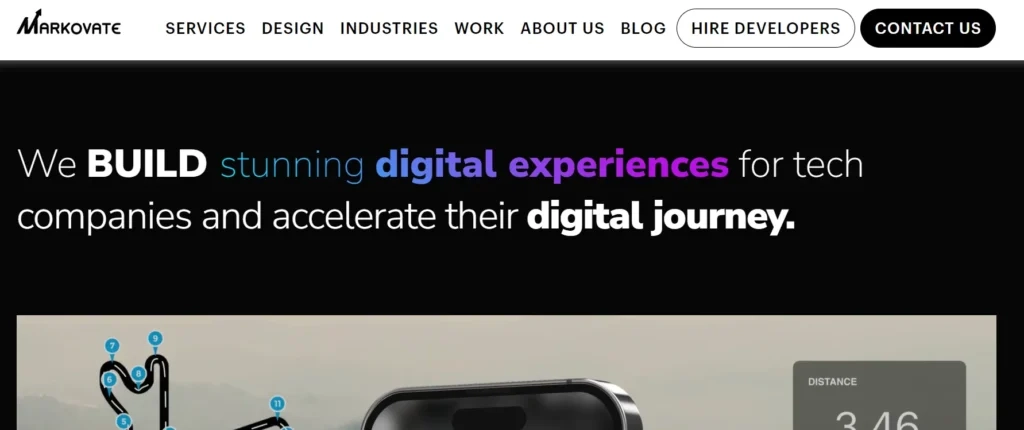
Markovate is a development agency that builds agentic systems deployed on client infrastructure, which matters for teams that cannot send data to a multi-tenant SaaS. Its self-hosted Agentic AI Assistant coordinates multiple agents across applications: creating Jira tickets, generating invoices, and moving data between systems with contextual reasoning over company data. Delivered projects span medical claims processing, voice ordering, legal document chatbots, and ERP order management, with integrations into Slack, Confluence, Gmail, and custom connectors. As with any agency engagement, insist on seeing the orchestration architecture and an exit plan up front: you want to own and operate the agents after the engagement ends.
10. IBM Watson
- Website: https://www.ibm.com/products/watsonx-ai
- Founded in: 1911 (IBM); watsonx platform launched 2023
- Headquarters: Armonk, New York, United States
- Key offerings: watsonx.ai, watsonx.data, watsonx.governance, watsonx Orchestrate, Agent Lab, retrieval augmented generation frameworks
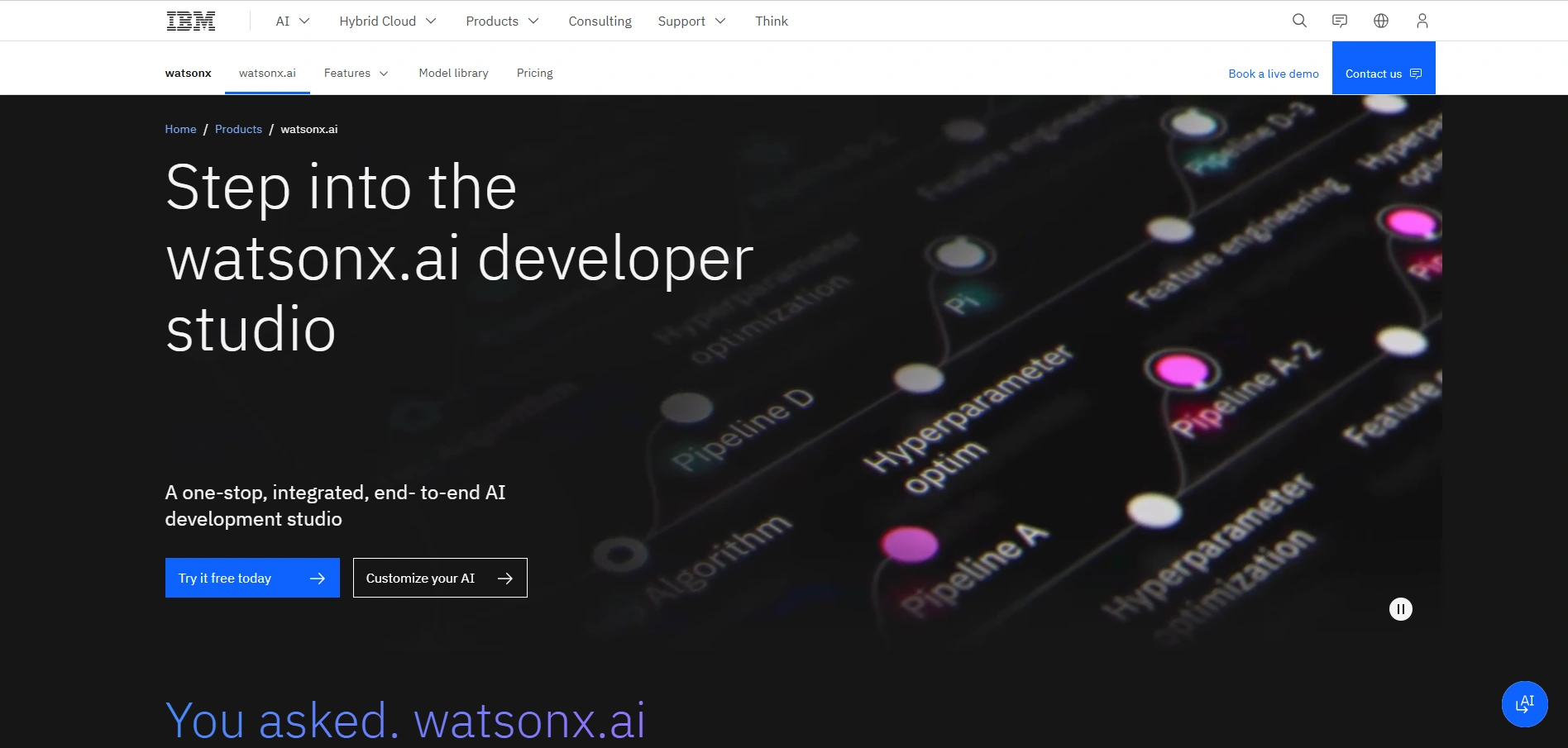
IBM's watsonx platform is built for organizations where the compliance review takes longer than the build. watsonx.ai covers model development, watsonx.data handles the data layer, and watsonx.governance tracks lineage, drift, and policy, which is the piece regulated industries actually struggle with. Agent Lab, introduced in May 2025, gives developers a low-code way to assemble agents, watsonx Orchestrate chains them into multi-agent workflows, and the platform interoperates with open frameworks such as LangChain and CrewAI rather than locking you into IBM-only tooling. Choose IBM when auditability and vendor accountability rank above raw model performance on your requirements list; finance, healthcare, and government buyers usually weigh it that way.
11. Nvidia
- Website: https://www.nvidia.com
- Founded in: 1993
- Headquarters: Santa Clara, California, United States
- Key offerings: NeMo microservices, AI Blueprints, Llama Nemotron models, Blackwell GPU architecture, NVIDIA AI Enterprise, agent evaluation tooling
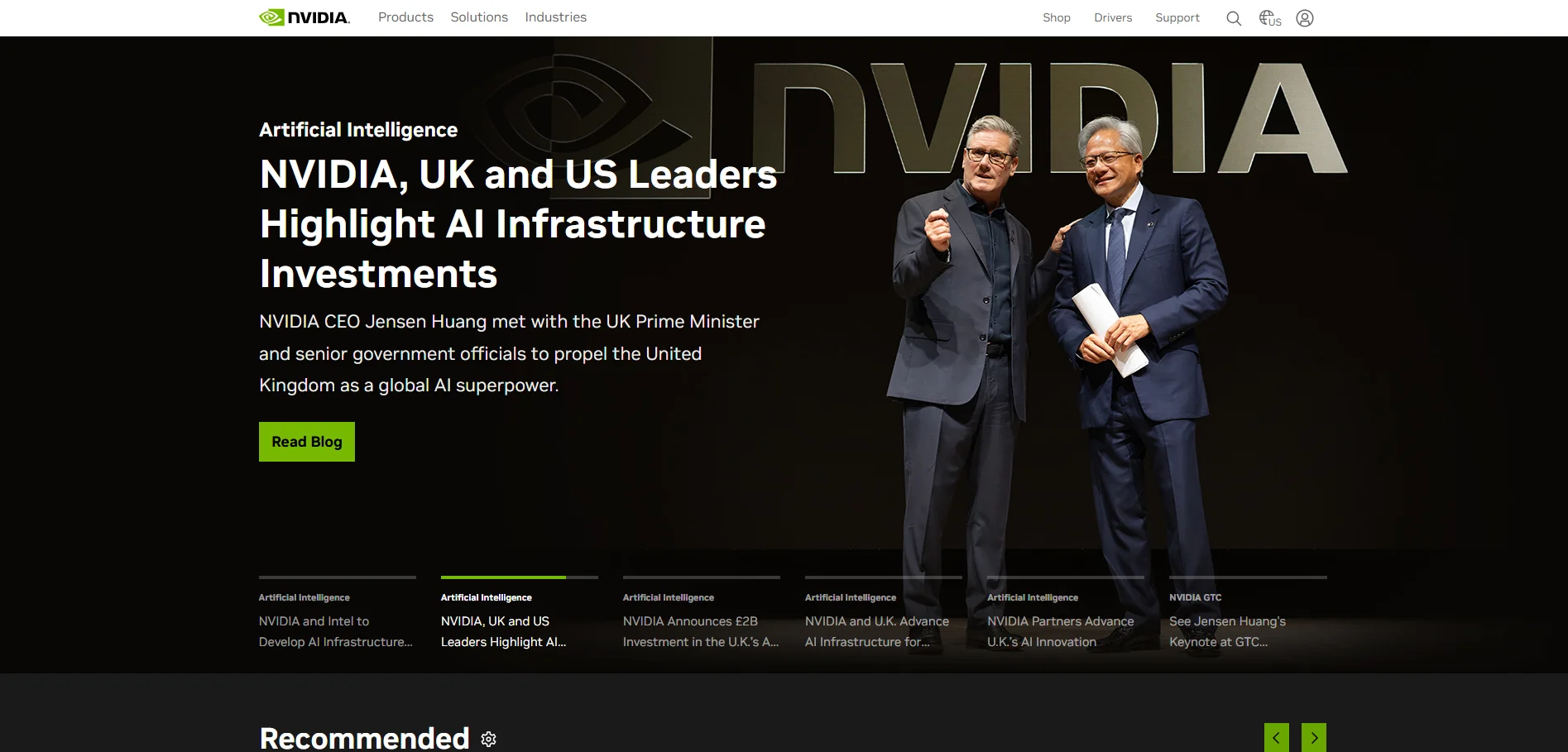
NVIDIA sells the layer everyone else's agents run on, plus increasingly capable software above it. NeMo microservices let teams fine-tune and serve open models such as Llama and Mistral on their own data, AI Blueprints provide reference architectures for common agent patterns like video search, document analysis, and digital avatars, and the Llama Nemotron model family is tuned specifically for agentic reasoning. An evaluation toolkit tests agent accuracy before production, and Blackwell-generation hardware absorbs the inference load that multi-agent systems generate. Enterprises including Salesforce and ServiceNow build agent products on this stack. Treat NVIDIA as infrastructure: you still need an application layer, whether from an open framework or a development partner.
12. DeepMind
- Website: https://deepmind.com
- Founded in: 2010
- Headquarters: London, United Kingdom
- Key offerings: AlphaEvolve algorithm-discovery agent, Big Sleep security agent, Gemini 2.0 agentic models, multi-agent reinforcement learning research
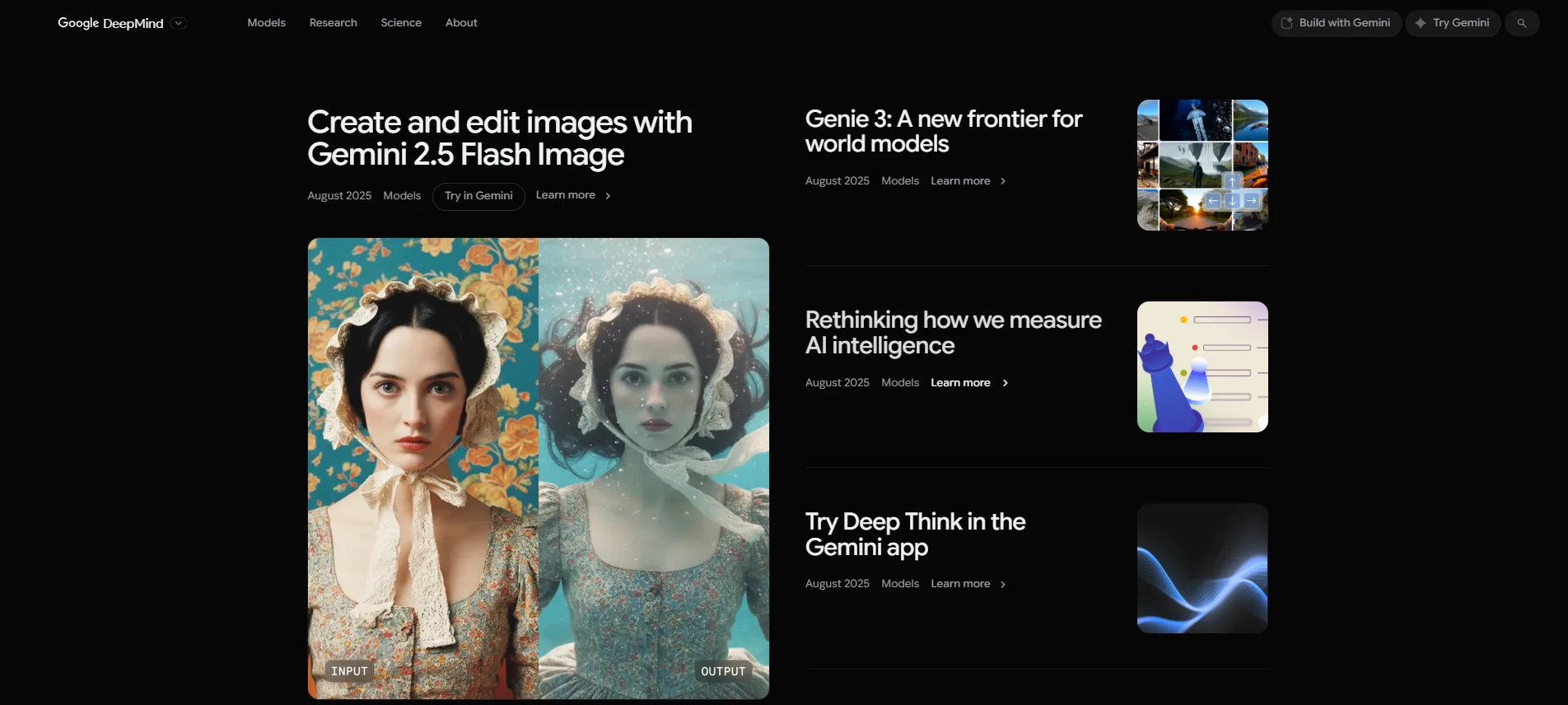
DeepMind is a research lab rather than a vendor you buy agents from directly, but its work defines where the field goes next. AlphaEvolve, announced in May 2025, pairs Gemini models with evolutionary search to discover and refine algorithms, and matched or improved on the best known solutions for a large share of the open mathematical problems it was tested against. Big Sleep, its security agent, found a previously unknown SQLite flaw (CVE-2025-6965) before attackers could exploit it. Gemini 2.0, released in December 2024, was built explicitly for agentic use, with native tool calling and planning across browsers and devices. These capabilities reach enterprises through Google Cloud and the Gemini API rather than through DeepMind itself.
13. Amazon AI
- Website: https://aws.amazon.com/ai/
- Founded in: 1994 (Amazon); AI services since the mid-2010s
- Headquarters: Seattle, Washington, United States
- Key offerings: Amazon Bedrock Agents, AgentCore, Nova Act, Amazon SageMaker, Amazon Lex, AWS AI Agent Marketplace
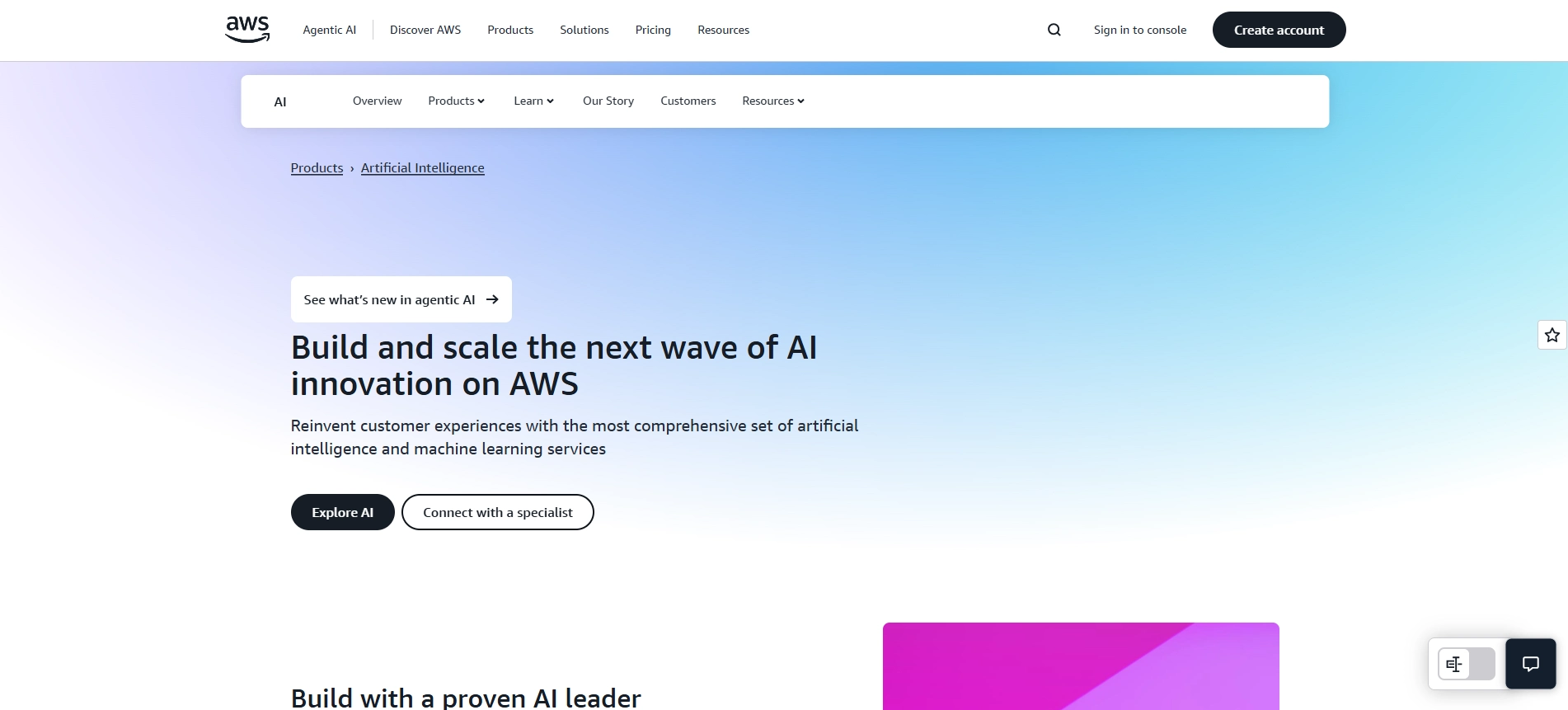
Amazon's agent strategy runs through AWS. Bedrock Agents let developers build assistants that call APIs, keep memory, and execute multi-step tasks against foundation models from several vendors, and AgentCore, introduced at the AWS Summit in July 2025, adds managed services for memory, browser use, and governance underneath any agent framework. Nova Act, unveiled in March 2025, is Amazon's own agent that operates websites directly: filling carts, updating billing details, and tracking prices. The AWS AI Agent Marketplace, launched in July 2025, distributes prebuilt agents from partners including Anthropic and IBM. The strength is choice and scale inside AWS; the weakness is that assembling the pieces into a coherent system still demands real engineering effort.
14. Simular
- Website: https://simular.ai
- Founded in: 2023
- Headquarters: Palo Alto, California, United States
- Key offerings: Agent S2 open agent framework, Simular Browser, Simular Cloud, computer-use automation
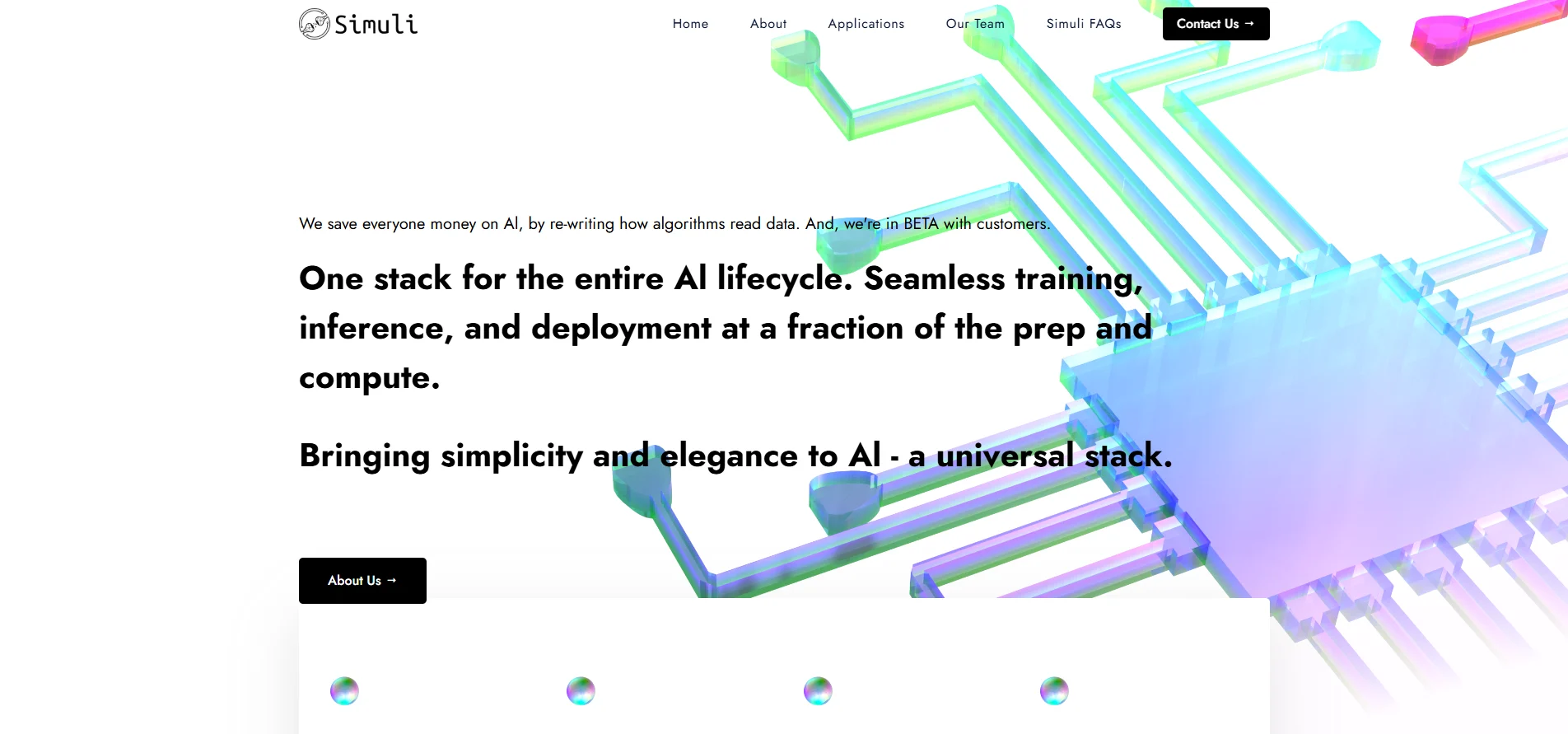
Simular builds agents that operate a computer the way a person does: screen in, mouse and keyboard out. Agent S2, released in March 2025, separates planning from visual grounding, letting a large model decide what to do while a specialized model works out exactly where to click, and the team reported state-of-the-art results on the OSWorld benchmark for computer-use agents. The framework is open source, so engineers can inspect and modify every action an agent takes, and Simular Browser and Simular Cloud provide local and hosted runtimes. It suits automation against software that exposes no API: form filling, data extraction, and reporting on legacy systems that would otherwise need manual work.
15. Leena AI
- Website: https://leena.ai
- Founded in: 2015
- Headquarters: Sunnyvale, California, United States
- Key offerings: WorkLM-powered virtual assistant, HR, IT, and finance agents, workflow automation, enterprise system integrations
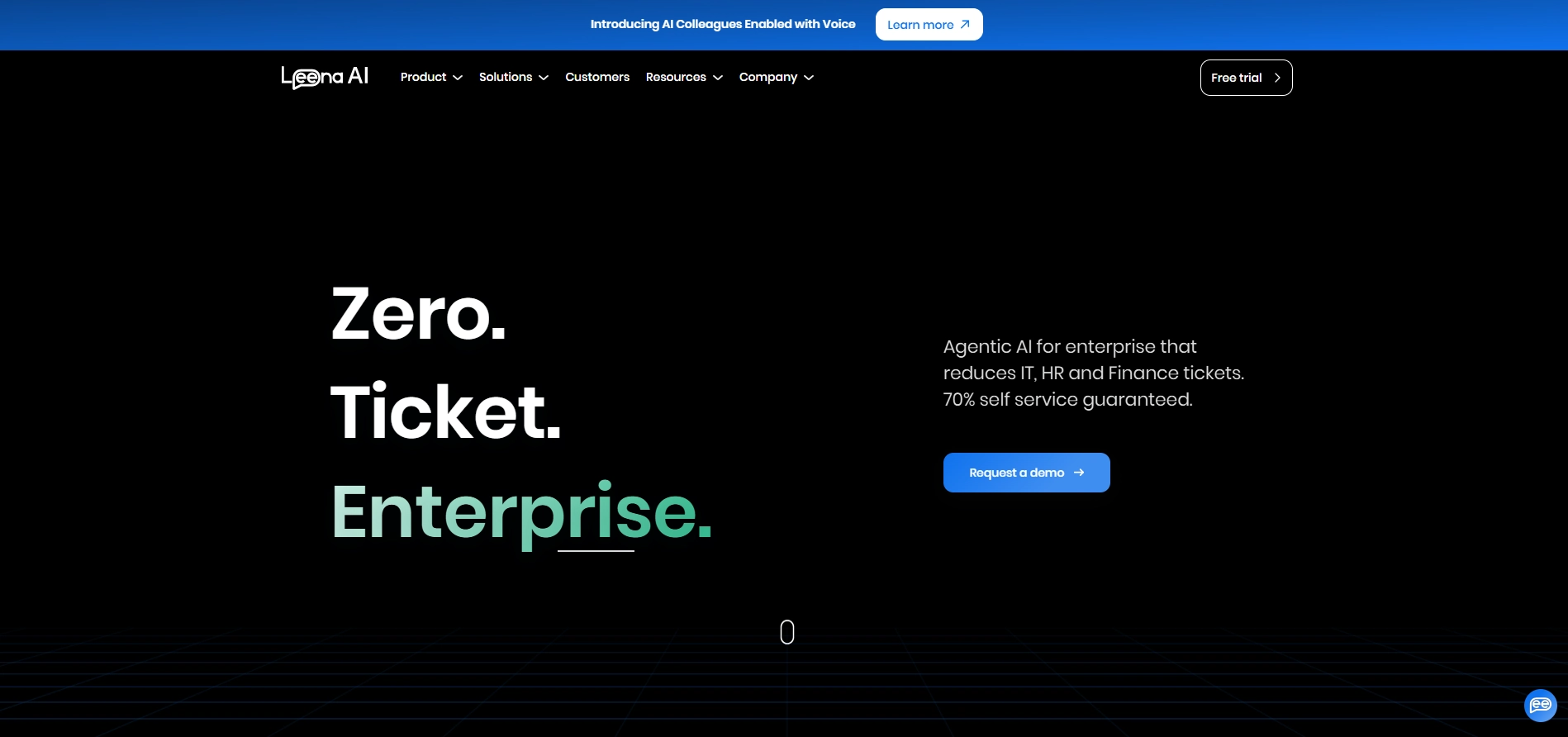
Leena AI sells a finished product: an employee-facing agent that resolves HR, IT, and finance requests inside the tools employees already use. Its WorkLM models answer from company policy documents and connected systems, and they take actions such as payroll updates and onboarding steps rather than deflecting tickets to knowledge-base articles. The platform integrates with enterprise systems including Workday, ServiceNow, ADP, Salesforce, and Slack, and large global consumer brands are among its customers. Buy a product like Leena when the problem is internal service delivery and time-to-value matters more than customization; build custom when your workflows will not fit a productized agent.
16. Cognition
- Website: https://cognition.ai
- Founded in: 2023
- Headquarters: San Francisco, California, United States
- Key offerings: Devin autonomous software engineer, Devin 2.0 collaborative workflows, Windsurf IDE
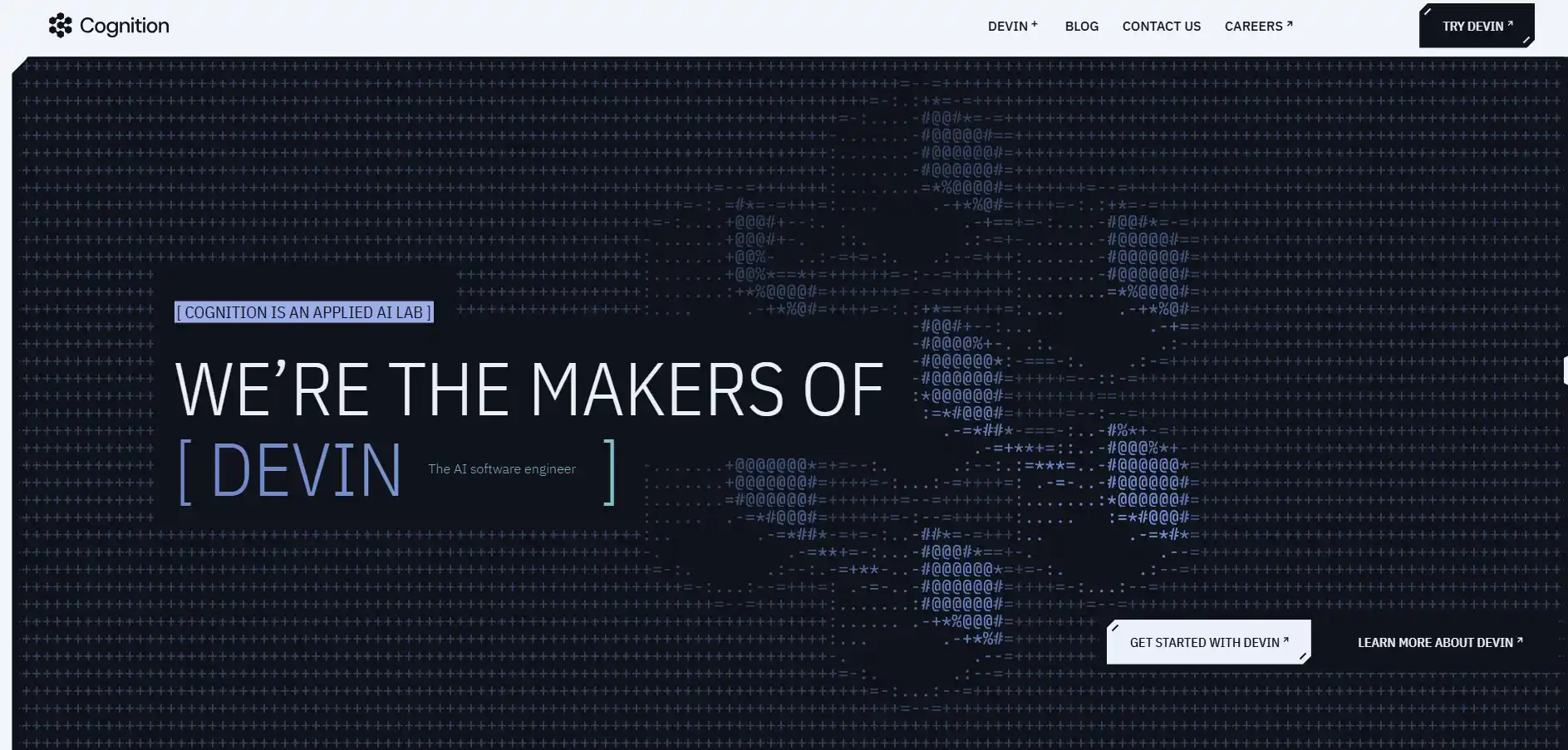
Cognition makes Devin, the AI software engineer that moved autonomous coding from research demo to product. Devin plans a task, writes and tests code in its own development environment, and opens pull requests for review; on the SWE-bench benchmark of real GitHub issues it resolved 13.86 percent of issues unaided, several times the previous state of the art at its release. Devin 2.0, released in April 2025, shifted toward collaboration, with parallel agent sessions and an IDE-style workspace, and the acquisition of Windsurf in July 2025 added an AI editor and its enterprise customer base. Engineering teams get the most from Devin on well-scoped tickets, migrations, and test coverage, with humans reviewing every merge.
17. Plivo
- Website: https://www.plivo.com
- Founded in: 2011
- Headquarters: San Francisco, California, United States
- Key offerings: AI Agent Studio, programmable voice and SMS APIs, WhatsApp agents, conversational AI integration frameworks
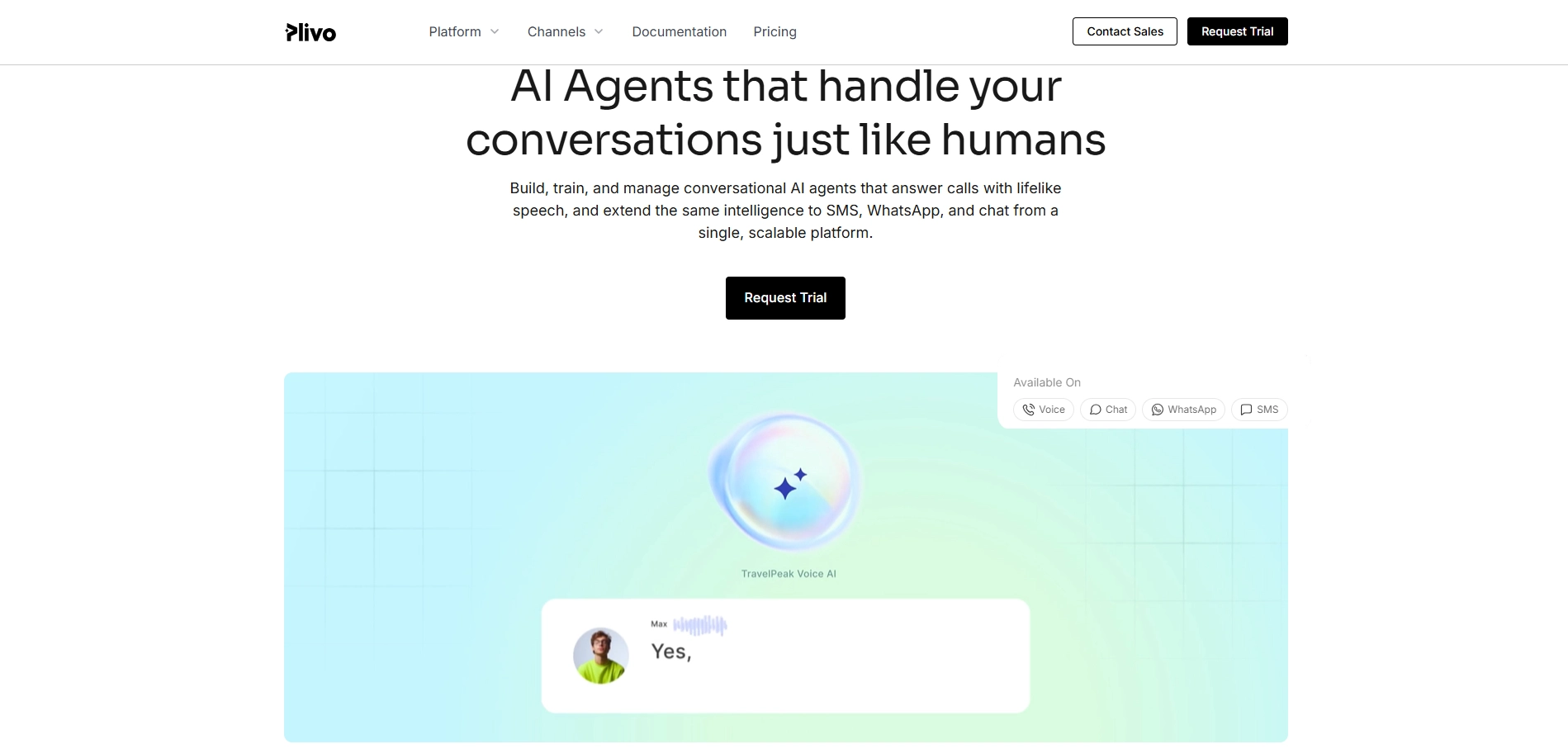
Plivo approaches agents from the communications side. The company has run programmable voice and SMS APIs since 2011, and its no-code AI Agent Studio builds agents that operate over WhatsApp, voice, SMS, chat, and email, handling sales inquiries, support, and cart recovery. Because Plivo owns the carrier layer, its agents inherit deliverability, number management, and compliance tooling that a bolt-on chatbot lacks, and they escalate to human staff when a conversation exceeds their scope. Volume-based pricing and prebuilt templates for booking, feedback, and multilingual support arrived in mid-2025. The fit is customer engagement across messaging and voice channels, not internal workflow automation.
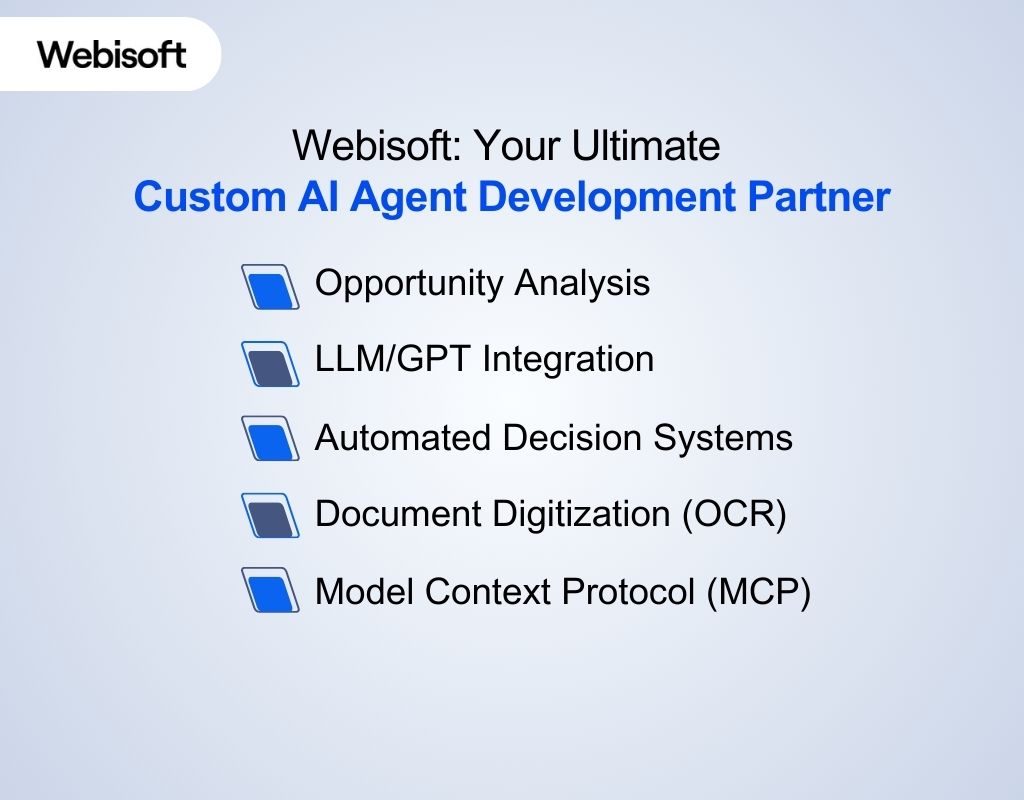
Choosing a platform from the list above solves half the problem. Someone still has to scope the use case, wire the agent into your systems, and make it reliable enough to trust with real work. That is the half Webisoft owns. We are a Montreal-based, full-cycle software development firm, and we design, build, and integrate custom AI agents on the platforms covered in this article.
Our AI agent development services include:
- Opportunity analysis: identify where an agent delivers measurable value in your operations, and where plain automation is the cheaper answer.
- LLM integration: conversational interfaces and smart automation built on the model that fits your data, latency, and cost constraints.
- Automated decision systems: agents that process live data and act in real time within rules you define.
- Document digitization (OCR): convert paper-heavy workflows into structured, searchable digital data.
- Model Context Protocol (MCP): connect agents to your internal data sources through the open standard, so outputs stay grounded in your own systems.
Every engagement starts from your workflows, not from a template. Talk to our strategy team to scope where an agent fits in your stack.
Choosing the Right AI Agent Company
Start from the job, not the vendor. If you have an engineering team and a differentiated workflow, a platform vendor plus a custom build gives you the most control. If your problem matches a finished product, coding tickets, employee support, customer messaging, buying it gets you to value in weeks. If your workflows are specific but you lack the team to build, a development partner bridges the gap. Whichever route you take, insist on tool-level audit logs, a human approval step for consequential actions, and an exit plan for your data and prompts. If you are weighing a custom build, our guide on how to build a custom AI agent walks through the architecture decisions, and Webisoft can take the project from scoping to production.
Frequently Asked Questions
Buy when your problem matches a finished product, for example coding tickets, employee HR and IT support, or customer messaging, because time to value is measured in weeks. Build when the workflow is specific to your business, touches proprietary systems, or is a competitive differentiator. A development partner is the middle path when the workflow is custom but you lack an in-house AI engineering team.
Cost depends on three drivers: how many systems the agent must integrate with, how ready your data is, and how reliable the agent must be before you trust it with real actions. A scoped assistant over one data source is a small project; a governed multi-agent system across an ERP is not. A short opportunity analysis up front, which Webisoft offers, sizes the work before you commit to a build.
An AI agent company builds software that can plan and execute multi-step tasks with limited human input. Some sell the underlying platforms, models, SDKs, and runtimes, some sell finished agent products for a specific job such as coding or employee support, and some, like Webisoft, design and build custom agents on top of those platforms for a specific business.
A chatbot generates text in response to a message. An AI agent goes further: it breaks a goal into steps, calls external tools and systems such as APIs, browsers, and databases, checks its own results, and acts across multiple turns. The practical test is tool use. If the software can only talk, it is a chatbot; if it can query your CRM and update a record, it is an agent.
The strongest early results come from software development, customer support, HR and IT service delivery, finance operations, and healthcare administration, because those areas combine high ticket volume, structured systems of record, and clear success criteria. Any workflow with repetitive multi-step work across a few systems is a candidate.
