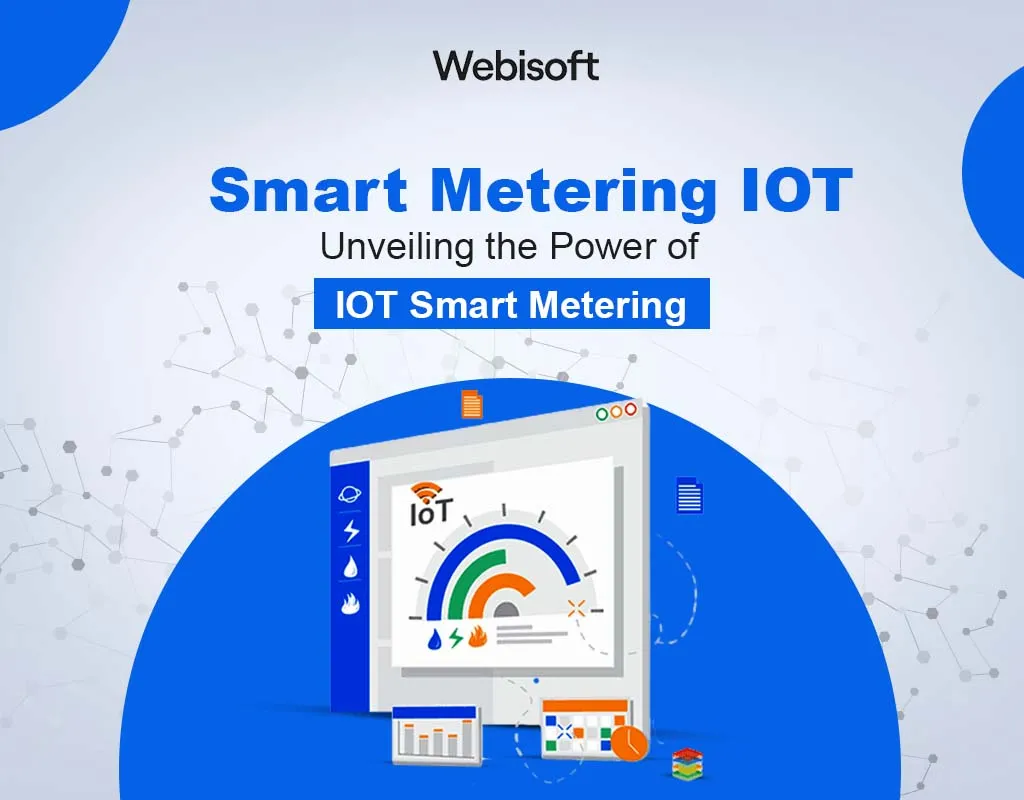
Smart metering integrates IoT sensors into utility meters (electricity, water, gas) to enable remote reading and real-time consumption tracking. Instead of a utility company sending a technician to read meters monthly, smart meters send consumption data automatically via cellular or radio networks. This reduces labor costs for utilities and provides customers detailed visibility into their consumption patterns.
How IoT-Enabled Smart Meters Work
A smart meter consists of a sensor that measures consumption (e.g., an electricity meter measures kilowatt-hours), a processor, and a wireless modem. The meter continuously samples consumption at intervals (typically every 15-60 minutes) and stores the data locally. At regular intervals (hourly, daily, or on demand), the modem transmits the consumption data to a server operated by the utility company. For custom development of smart metering systems, specialized expertise in IoT and backend integration is essential.
Data Collection
The meter's sensor captures the actual quantity consumed. For electricity, this is accumulated kilowatt-hours. For water, accumulated gallons or cubic meters. The meter records consumption at regular intervals and stores a time series of readings locally, often on flash storage.
Transmission
The meter periodically connects to the utility's network via cellular (LTE, 5G) or low-power radio (LoRaWAN, Zigbee). The meter is assigned an identifier and encryption keys so the utility can authenticate that data came from that specific meter and not a compromised device. Data is transmitted securely so that consumption readings cannot be intercepted or modified in transit.
Server Processing
The utility's backend aggregates readings from millions of meters, stores them in a database, and uses them for billing and operational decisions. The utility can query readings by customer, by location, or by time period. Customers typically access their data through a web or mobile portal.
Real-Time Feedback Loop
Many smart metering systems expose consumption data to customers in near-real-time (updated every 15-60 minutes). Some systems send alerts when consumption exceeds a threshold the customer sets. This feedback enables behavior change: if a customer sees that their electricity use spikes at 7-9 PM, they may shift high-power tasks (laundry, charging) to off-peak hours.
Benefits for Customers
Granular Consumption Visibility
Traditional meters provide only a total consumption reading per month. Smart meters enable customers to see consumption broken down by hour or day. This visibility reveals patterns (e.g., heating is the largest load in winter, air conditioning in summer) that are opaque with monthly readings. Customers can use this data to identify inefficient appliances or habits.
Fair Billing
Monthly meter readings are prone to error: readers may misread a dial, enter wrong data, or miss a property. Smart metering eliminates these errors by being automated. Customers are billed for exactly what they consumed, not estimates.
Faster Anomaly Detection
If a meter shows a sudden consumption spike (e.g., a water meter increasing 5x overnight), it may indicate a leak. Smart metering systems can flag these anomalies automatically and alert the customer, enabling faster repairs. A small undetected leak can waste thousands of gallons per month; early detection saves money and water.
Benefits for Utilities
Labor Reduction
Meter reading is significant labor cost. A utility may employ hundreds of meter readers. Automation eliminates this cost. Savings are typically 20-40% of the meter reading budget, depending on geography and meter density.
Improved Forecasting
With hourly or daily consumption data from many meters, utilities can better predict demand patterns. They can adjust generation and purchasing to match demand more closely, reducing waste and balancing costs.
Faster Problem Detection
Utilities can monitor meters for outages or tampering. If a meter suddenly stops reporting, there's a problem. If consumption readings are implausibly constant, the meter may be malfunctioning or someone may be bypass the meter to steal electricity. Early detection prevents revenue loss.
Implementation Challenges
Network Coverage
Meters in remote areas or in buildings with thick walls may not have reliable cellular or radio coverage. Deploying a mesh network (where meters relay data through neighbors) or upgrading local infrastructure adds cost. Some utilities accept that a small percentage of meters will have delayed readings and design systems to handle gaps.
Data Privacy
Smart meter data reveals when a home is occupied (consumption is low at night when residents are asleep, higher during waking hours). In some jurisdictions, utilities are required to anonymize or aggregate customer consumption data to prevent third parties from knowing occupancy patterns. This adds complexity to customer-facing portals.
Legacy Device Compatibility
Existing meters are mechanical and non-communicating. Replacing an entire city's meters is expensive and time-consuming. Most utilities roll out smart meters gradually, replacing meters as they fail or during planned maintenance. This extends the transition period to 10-20 years.
Cybersecurity
Meters are internet-connected devices and targets for attack. An attacker who compromises a meter could cause it to under-report consumption (customer steals electricity) or over-report (denial of service, customer complaints). Meters must have secure boot, encrypted firmware, and authentication to resist tampering. Utilities must also have processes to detect and revoke compromised devices.
Use Cases
Electricity Management
Smart electricity meters enable time-of-use pricing: rates vary by time of day, with higher rates during peak demand (typically 4-9 PM) and lower rates off-peak. Customers who shift consumption to off-peak hours reduce their bills. Utilities reduce peak demand, avoiding the cost of building infrastructure for just a few hours per day.
Some utilities offer real-time pricing apps that show the current rate and let customers decide whether to turn on high-power appliances. This demand-side flexibility is valuable as utilities integrate more renewable energy, which has variable output.
Water Leak Detection
Water utilities use smart meters to detect leaks in customer properties. A sudden spike in consumption (e.g., a toilet that won't stop running) is flagged automatically. The customer is notified, often before they realize there's a problem. Early detection can save thousands of gallons and hundreds of dollars per month.
Gas Consumption Monitoring
Smart gas meters track usage by appliance or heating zone. Customers can see how much gas they use for heating, cooking, and water heating. This visibility enables targeted efficiency improvements (e.g., replacing an old water heater).
Conclusion
Smart metering reduces costs for utilities and provides customers transparency into their consumption. The technology is mature; most new meters deployed today are smart. Challenges remain in network coverage for remote areas and in cybersecurity, but these are solvable through standard practices. For utilities and customers alike, smart metering is now a baseline expectation rather than an innovation.