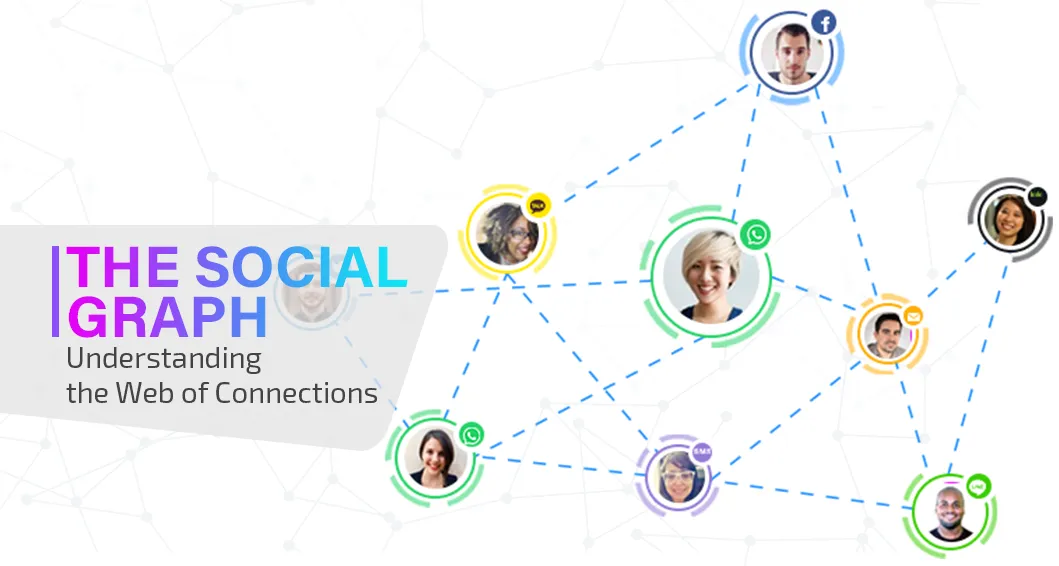
A social graph is the data structure that represents who you follow, who follows you, and what you've interacted with. Facebook's social graph, for example, is the set of all user profiles, friendships, posts, and engagement events stored in Meta's database.
The graph has three properties that matter: ownership, portability, and monetization.
Web2 Social Graphs
On platforms like Facebook, Instagram, and Twitter, the platform owns the graph. You don't own your follower list; Meta or Twitter does. They can delete it if they ban you. They can sell anonymized versions to advertisers. You see a feed curated by their algorithm, and you can't take your graph to a competing platform without manually re-following everyone.
This centralization benefits the platform: they monetize your social data by selling access to advertisers. Facebook earned $114.93 billion in ad revenue in 2023, most of it from targeting capabilities the social graph enables.
It harms users: your data is a captive asset. If you want to switch platforms, you lose your followers. If the platform's moderation offends you, you can't port your identity elsewhere. If the platform gets hacked (Cambridge Analytica), your data leaks without recourse.
Web3 Social Graphs
Web3 projects attempt to store the social graph on blockchain instead. Your followers and following lists become on-chain records tied to your wallet address. Because blockchain is decentralized, no single company controls the data. You own the keys to your account, not the platform.
Concrete Difference
On Facebook, deleting your account removes all your posts, followers, and follower list. On a decentralized social graph like Lens Protocol (deployed on Polygon blockchain), your profile and follower list remain on-chain. If Lens Protocol shuts down, the data persists. You can port your identity to a different UI built on the same graph protocol.
Implementation Trade-Offs
Blockchain-based graphs are slower to query than centralized databases. Getting all posts from people you follow requires reading multiple blockchain records, which takes seconds instead of milliseconds. The UX feels sluggish.
Blockchain is pseudonymous by default (wallet addresses don't reveal identity), not anonymous. Every post and follow is public on the ledger. If your wallet is linked to a public identity (via doxxing or OFAC sanctions lists), your follow history is permanently visible.
Monetization shifts but doesn't disappear. Instead of the platform selling your data, you could monetize your followers directly, or a UI layer could insert ads into the graph feed. The power dynamic changes (users have more control), but data value doesn't evaporate.
Active Blockchain Social Graph Projects
Lens Protocol (Polygon): Users own an NFT representing their profile. Following is an on-chain transaction. Profiles and follower lists persist even if the official Lens UI goes offline.
Farcaster (Ethereum + Optimism): A social network where frames (posts) are signed with your cryptographic key. The frame data can be stored centrally or decentrally, but provenance and authorship are cryptographically verifiable.
Bluesky (AT Protocol): Jack Dorsey's experiment. The protocol lets anyone run a network node or aggregator. Users choose which server(s) host their data. It's decentralized at the protocol level but not blockchain-based.
When Decentralized Graphs Matter
If you value portability (moving your identity between platforms without starting over), blockchain graphs offer it. If you care about censorship resistance (no central authority can remove your account), blockchain helps. If you want algorithmic transparency (you control what feed you see), you still need a separate layer, because the blockchain only stores posts and follows, not recommendation algorithms.
If you primarily want lower data fees or better data privacy, decentralized graphs don't solve either. Blockchain transactions cost money, and because the graph is public, privacy is limited.