At Webisoft, our engineers spend their days inside these tools. As a Montreal studio providing blockchain development services to enterprises and funded startups, we have shipped production systems with most of the stacks covered below, and dropped a few that looked good on paper.
That experience shapes this guide. What follows is an honest rundown of the blockchain development tools that matter in practice: what each one does well, where it falls short, and when we reach for it on real projects.
The blockchain ecosystem is evolving fast, and so are the tools that power it. In 2025, developers have access to an ever-growing stack of frameworks, SDKs, APIs, and infrastructure platforms designed to streamline everything from smart contract creation to full-scale dApp deployment.
This guide is built for developers and teams looking to stay competitive, secure, and efficient in Web3 development. Whether you’re a beginner building your first contract or part of an enterprise dev team scaling decentralized infrastructure, this article covers what you need.
Here’s what you’ll learn:
- What blockchain development tools are and why they matter
- Categories of essential tools and when to use them
- The best platforms and frameworks for smart contracts, testing, frontends, and more
- How to choose the right stack for your project
- Pro tips to boost security, scalability, and productivity
What Are Blockchain Development Tools?
Blockchain development tools are the essential building blocks for anyone creating decentralized applications (dApps), smart contracts, or Web3 infrastructures. Just like web developers rely on IDEs, version control, and testing frameworks, blockchain developers use a specialized stack of tools to write, deploy, test, and maintain blockchain-based applications.
At their core, these tools help developers interact with blockchain networks efficiently and securely. Whether you’re working on a DeFi platform, an NFT marketplace, or a tokenized real estate project, you’ll need tools that support:
- Smart contract development (writing, compiling, debugging)
- Local and testnet environments for simulation
- Interaction with blockchain nodes and RPC endpoints
- Wallet and key management for secure transactions
- Access to oracles and off-chain data
- Indexing, analytics, and real-time event tracking
Unlike traditional development, blockchain adds unique challenges like immutability, gas fees, and on-chain logic. That’s why purpose-built tools are so important, they help reduce the risk of costly errors and streamline the entire build process.
As the ecosystem has matured, so has the tooling. Today’s tools aren’t just for Ethereum, many are multi-chain or built with modular components that let teams develop faster while maintaining high standards of security and performance.
Whether you’re a solo developer building your first dApp or part of a product team shipping to thousands of users, the right tools can make or break your success in the Web3 space.
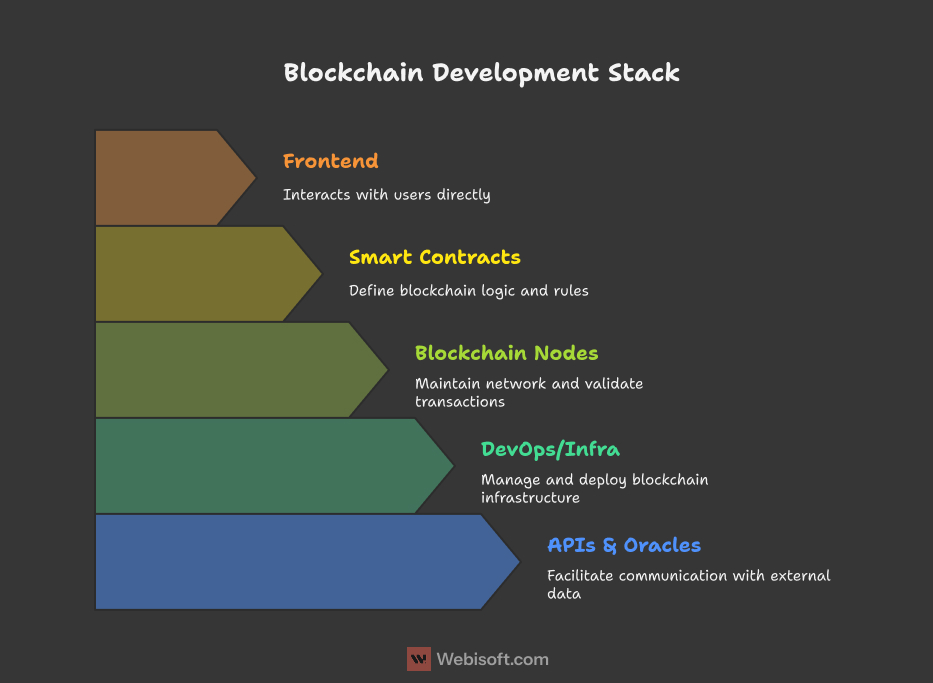
Blockchain Development Tool Categories You Should Know
The blockchain development ecosystem has evolved rapidly, bringing a wide range of tools to help developers and teams build faster, more securely, and across multiple protocols. To navigate this ecosystem efficiently, it’s helpful to group tools into categories based on their function. Below are the key tool types you should be familiar with, including examples and what each solves in the Web3 build process.
Smart Contract IDEs & Compilers
These tools help developers write, compile, and deploy smart contracts with ease.
- Remix IDE – A browser-based IDE ideal for beginners and quick prototyping. It comes with built-in Solidity compiler support and contract deployment features.
- Hardhat – A powerful development environment for writing, testing, and deploying contracts locally. Popular for its plugin ecosystem and Solidity debugging.
- Truffle – A long-standing Ethereum dev framework with integrated contract compilation, migration scripts, and testing.
Use case: Writing smart contracts, running test cases, and deploying to networks.
Node Clients & Blockchain Networks
These tools allow developers to run full or light blockchain nodes or connect to hosted providers.
- Geth – The most widely used Ethereum node client.
- Erigon – A high-performance Ethereum implementation optimized for archival data.
- Hyperledger Besu – Enterprise-friendly Ethereum client supporting private chains.
Use case: Running a local blockchain node or connecting securely to the mainnet or testnet.
Wallets & Key Management
Security and identity are central to blockchain. These tools help manage keys and transactions safely.
- MetaMask – The most widely adopted browser wallet for dApp interaction.
- WalletConnect – A protocol for connecting mobile wallets to dApps.
- Fireblocks – Institutional-grade custody platform for secure key management.
Use case: User authentication, signing transactions, and managing private keys.
API Platforms & Web3 SDKs
These platforms simplify access to blockchain data and events through APIs and SDKs.
- Alchemy – Provides node infrastructure, NFT APIs, and analytics.
- Infura – Offers scalable API access to Ethereum and IPFS.
- Thirdweb – A no-code/low-code SDK for deploying Web3 apps and managing contracts.
Use case: Connecting apps to blockchain data without running your own node.
Testing & Debugging Tools
These tools are critical for safe smart contract development and troubleshooting.
- Ganache – A local in-memory blockchain that simulates Ethereum for testing.
- Tenderly – Real-time monitoring and debugging platform for deployed contracts.
Use case: Simulating transactions, debugging smart contracts, tracking gas usage.
Oracles & Data Feed Services
Oracles bring off-chain data into your smart contracts securely and reliably.
- Chainlink – The leading decentralized oracle network.
- Band Protocol – Another performant oracle solution for cross-chain applications.
Use case: Feeding price data, sports scores, weather conditions, or other off-chain inputs into blockchain apps.
Backend Infrastructure & DevOps
These tools handle decentralized file storage, serverless functions, and backend automation.
- IPFS / Filecoin – Peer-to-peer file storage used for storing metadata, images, or full applications.
- Moralis – Backend-as-a-Service (BaaS) platform offering APIs, user auth, and data syncing.
- Biconomy – Gasless transaction middleware and user onboarding tooling.
Use case: Scaling backend operations, managing user sessions, and handling off-chain logic.
Top Blockchain Development Tools in 2025 (By Category & Use Case)
With the blockchain development ecosystem expanding rapidly, choosing the right tools can be the difference between a secure, scalable dApp and one that breaks under pressure. This section focuses on tools that are not just popular, but also proven in production. Rather than listing everything available, these are grouped by how they’re used in real-world Web3 workflows — from writing smart contracts to integrating with frontends and managing infrastructure.
Best Tools for Writing and Testing Smart Contracts
Truffle
Truffle remains a staple for contract development. It comes with built-in compilation, migration scripts, testing, and a strong plugin ecosystem. While it has a steeper learning curve for newer developers, its deep integration with Ganache and OpenZeppelin libraries makes it powerful for serious teams.
- Best for: Intermediate to advanced developers building complex Ethereum-based dApps.
- Strengths: Automation, migration scripts, solid testing tools.
- Limitations: Less intuitive than newer frameworks.
Hardhat
Hardhat has quickly become the go-to smart contract framework for many devs. It provides local Ethereum network simulation, Solidity stack traces, and extensibility through plugins.
- Best for: Developers looking for speed, flexibility, and advanced debugging.
- Strengths: Superior debugging, TypeScript support, active plugin ecosystem.
- Limitations: Requires more setup than Remix.
Remix IDE
Perfect for fast prototyping, Remix is browser-based and doesn’t require installation. It supports Solidity development, live contract interaction, and is ideal for learning.
- Best for: Beginners and small-scale contracts.
- Strengths: No setup needed, real-time code execution.
- Limitations: Not ideal for full-scale production workflows.
Best Tools for Working with Blockchain Nodes
Geth (Go-Ethereum)
Geth is the reference Ethereum client, written in Go. It supports running a full or light node and is production-grade.
- Best for: Running a local mainnet/testnet node, debugging, syncing data.
- Strengths: Robust, secure, large support base.
- Limitations: Can consume significant disk and memory resources.
Erigon
A performance-optimized Ethereum client designed for speed and archival node operation. It significantly reduces resource usage for full nodes.
- Best for: High-speed syncing and handling archival data.
- Strengths: Fast and efficient with large datasets.
- Limitations: Fewer tutorials and community support than Geth.
Infura
A hosted node infrastructure service offering instant access to Ethereum, Polygon, and IPFS. It’s ideal for developers who don’t want to maintain their own nodes.
- Best for: Scalable dApps needing consistent uptime.
- Strengths: Easy integration, scalable, supports multiple chains.
- Limitations: Centralization risk; outages can affect app uptime.
Best Tools for Frontend and Web3 Integration
MetaMask
The default wallet integration for many dApps, MetaMask enables seamless signing and transaction approval for end users.
- Best for: User authentication and transaction workflows.
- Strengths: Browser extension, mobile app, wide adoption.
- Limitations: UI not fully customizable for white-labeled apps.
Thirdweb SDK
Thirdweb is gaining traction for its developer-friendly SDKs that abstract away blockchain complexity. You can deploy contracts, connect wallets, and create NFT drops quickly.
- Best for: Quick-to-market dApps and projects without in-house blockchain engineers.
- Strengths: Low-code, feature-rich, supports multiple chains.
- Limitations: Less flexible for advanced use cases.
Ethers.js / Web3.js
These JavaScript libraries are the backbone for frontend-to-blockchain interaction.
- Best for: Custom dApp interfaces needing tight integration.
- Strengths: Mature, widely adopted, supports major chains.
- Limitations: Steeper learning curve for non-devs.
Best Tools for NFTs and Token Standards
Alchemy NFT API
Alchemy offers powerful APIs for indexing, querying, and displaying NFTs across Ethereum and other chains.
- Best for: NFT marketplaces or apps needing real-time asset data.
- Strengths: Scalable, developer-friendly documentation.
- Limitations: Pricing scales with usage.
OpenZeppelin Contracts
The standard library for secure smart contracts. Its audited ERC-20, ERC-721, and ERC-1155 contracts are widely used.
- Best for: Developers wanting security and compliance from day one.
- Strengths: Open source, community audited, standards-compliant.
- Limitations: Needs customization for advanced logic.
Moralis NFT API
Moralis simplifies NFT-related backend functions like sync, user authentication, and metadata retrieval.
- Best for: Backend-heavy NFT platforms.
- Strengths: High-level APIs, integrates with legacy and Web2 stacks.
- Limitations: Heavily reliant on third-party infra.
Best Infrastructure Tools
IPFS / Filecoin
These decentralized storage protocols help move beyond centralized file storage. IPFS serves content-addressed data; Filecoin offers storage incentivization.
- Best for: Storing NFTs, metadata, or documents.
- Strengths: Decentralized, tamper-proof storage.
- Limitations: Slower retrieval times than centralized CDNs.
Chainlink
Chainlink oracles power off-chain data feeds. It’s used in DeFi, prediction markets, insurance, and beyond.
- Best for: Getting price feeds, random numbers, and external APIs.
- Strengths: Secure, decentralized, high adoption.
- Limitations: Cost may be high for low-volume apps.
The Graph
The Graph is a decentralized indexing protocol that makes it easier to query blockchain data efficiently using subgraphs.
- Best for: Querying smart contract data with speed and accuracy.
- Strengths: Easy integration, subgraph customization.
- Limitations: Learning curve when defining schemas.
Over 80% of Fortune 500 companies have integrated blockchain solutions to streamline processes, reduce costs, and improve transparency. — Know more stats like this
How to Choose the Right Blockchain Development Toolstack for Your Project
There’s no single “best” blockchain tool, only the right tool for the right job. I’ve worked with developers and teams across different chains, project sizes, and industries, and the most efficient ones always start by mapping tools to their actual needs. Whether you’re building a DeFi protocol, a gaming dApp, or a tokenized real estate platform, your stack should evolve with the project stage, budget, and technical expertise available.
Here’s a practical framework to help teams choose smartly, not reactively.
Matching Tools to Development Stages
Most successful Web3 teams build toolstacks in layers. Each stage of development – from prototyping to long-term monitoring – benefits from a different mix of tools.
1. Ideation & Prototyping
This is where simplicity wins. For solo devs or early teams testing concepts, low-friction tools are ideal.
- Use Remix IDE or Thirdweb to deploy sample contracts without setup hassles.
- MetaMask works well for local wallet testing.
- IPFS is a quick way to simulate decentralized storage.
2. Smart Contract Development
Once your project scope is defined, you’ll need tools with more depth.
- Hardhat or Truffle for writing and testing contracts.
- OpenZeppelin for secure, standards-compliant templates.
- Ganache for running a personal Ethereum blockchain to simulate real conditions.
3. Integration & Testing
As you move toward MVP or production, focus shifts to frontend/backend coordination.
- Ethers.js or Web3.js for dApp interactions.
- Infura or Alchemy to avoid managing your own full node.
- Tenderly for real-time debugging, transaction tracing, and gas profiling.
4. Deployment & Monitoring
This phase requires reliability and security.
- Use verified deployment scripts via Truffle or Hardhat.
- Monitor contract activity with Tenderly or The Graph.
- Set up smart contract alerts or oracle integrations via Chainlink.
5. Maintenance & Upgrades
After launch, your stack needs to support user growth and protocol stability.
- Use The Graph for scalable data queries.
- Choose platforms that allow for proxy contracts or upgrade patterns (Hardhat + OpenZeppelin Upgrade plugins).
- Implement CI/CD pipelines for automated testing with GitHub Actions or Hardhat plugins.
Other Key Factors to Consider
Chain Compatibility
Not all tools support every chain. Make sure your target network (e.g. Ethereum, Polygon, Avalanche, Solana) is compatible.
Example: Hardhat and Truffle work well on EVM chains; Solana needs tools like Anchor and Solana CLI.
Team Skill Level
If your team includes junior devs or frontend-focused engineers, opt for tools with strong documentation, active communities, and low setup complexity.
Budget Constraints
Most tools offer free tiers, but high-traffic or production use can get expensive, especially with API providers like Infura, Alchemy, or Moralis. Plan for scalability.
Open Source vs. Closed Ecosystem
Some teams prefer open, community-audited tools (e.g. OpenZeppelin, Geth), while others favor convenience and speed from managed services (e.g. Thirdweb, Infura).
The global blockchain technology market is expected to reach $1.43 trillion by 2030, growing at a CAGR of 90.1% from 2025 to 2030.
This expansion is fueled by demand for secure, transparent transactions in finance, healthcare, and supply chain management. — Grand View Research
Tips for Building Efficient, Secure, and Scalable Web3 Projects
Building in Web3 demands more than just knowing how to deploy a smart contract. The most successful projects I’ve worked with are the ones that prioritize both speed and security; and choose tools that reduce friction at every step. Whether you’re developing a DeFi protocol, NFT marketplace, or tokenized asset platform, these best practices help ensure your blockchain app is resilient, reliable, and scalable.
Security-Focused Development Tips
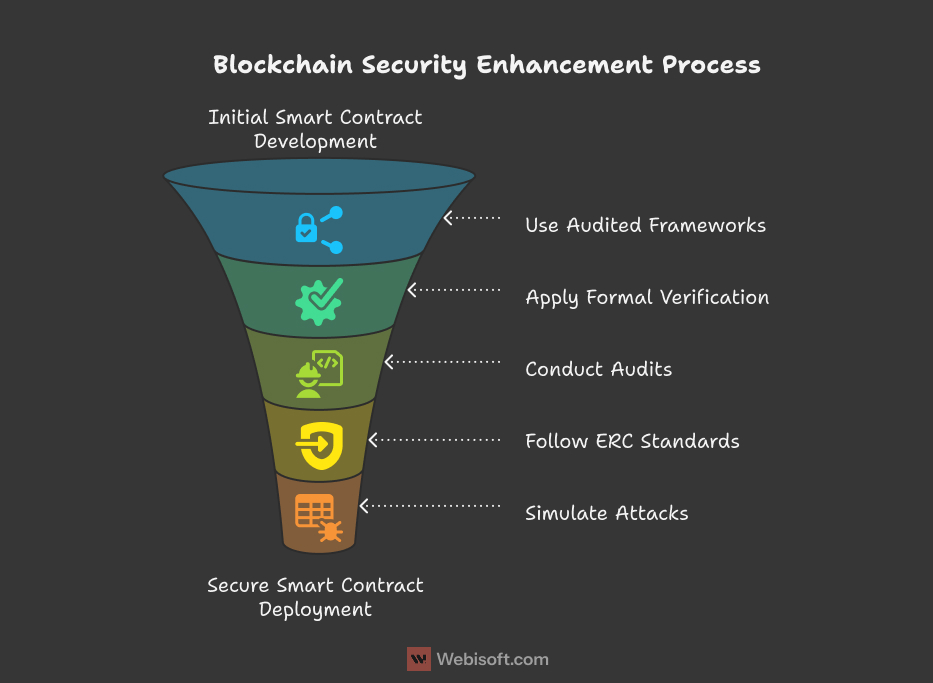
Security is non-negotiable in blockchain. A single smart contract bug can result in irreversible losses. Here’s how developers and teams can harden their codebases:
- Use Audited Frameworks: Start with OpenZeppelin contracts whenever possible. They follow Ethereum standards and are rigorously audited.
- Formal Verification Tools: For high-value contracts, use tools like Certora or Slither to run formal analyses and catch logic flaws before mainnet deployment.
- Run Both Manual and Automated Audits: Combine code reviews with tools like MythX, Tenderly, and static analyzers to spot edge cases and attack vectors.
- Strictly Follow ERC Standards: Whether you’re building ERC-20, ERC-721, or ERC-1155 tokens, sticking to the specs ensures better wallet compatibility and security.
- Simulate Attacks in Local Testnets: Tools like Ganache allow you to simulate time manipulation, reentrancy scenarios, and other attack surfaces in a safe environment.
Developer Productivity & Automation
The best blockchain teams don’t work harder; they work smarter. Leveraging automation and plug-ins can reduce human error and accelerate delivery timelines.
- Use Hardhat Plugins for Everything: From contract flattening to deployment, plugins streamline repetitive tasks. Popular picks include hardhat-deploy, hardhat-gas-reporter, and hardhat-ethers.
- Script Your Testing and Deployment Pipelines: Automate contract deployment and test flows using CI/CD tools like GitHub Actions or GitLab pipelines. Pair this with Ganache or Tenderly for thorough testing.
- Monitor Smart Contracts Post-Launch: Tools like Tenderly provide transaction tracing, gas analytics, and error alerts. This visibility is essential for debugging production issues quickly.
- Use The Graph for Fast Data Access: For complex dApps with heavy data needs, indexing your contracts with The Graph makes querying user actions and smart contract states faster and more efficient.
- Document Everything with Notion or Docusaurus: A well-documented codebase and process guide will help onboard contributors and reduce miscommunication as the team scales.
These tips aren’t just theory. I’ve seen small teams punch above their weight by following these practices — launching secure, high-performing dApps with lean budgets and tight timelines.
FAQs: Blockchain Dev Tools and Ecosystem
After helping teams build dApps and smart contracts over the past few years, I’ve noticed that developers, especially those newer to blockchain — tend to ask the same foundational questions. Below are clear, practical answers to some of the most common ones I’ve heard while onboarding teams or reviewing projects.
What’s the difference between Truffle and Hardhat?
Both are Ethereum-focused smart contract development frameworks, but they serve slightly different needs:
- Truffle is more beginner-friendly with built-in testing, migrations, and a comprehensive suite. It comes with Ganache and is great for teams who want an all-in-one toolset.
- Hardhat is better suited for advanced workflows. It’s highly extensible with plugins, offers better debugging with stack traces, and integrates smoothly with TypeScript. Most serious production-grade projects today lean toward Hardhat.
In short: choose Truffle if you want a simple starting point. Go with Hardhat if you’re optimizing for scale, customization, or speed.
Do I need to run my own node to build dApps?
Not anymore. Running a full node used to be required, but today, tools like Infura, Alchemy, and QuickNode give developers API access to blockchain networks without the complexity of syncing and maintaining a node.
That said, running your own node (e.g., with Geth or Erigon) can be beneficial for privacy, decentralization, or working with archive data.
Are blockchain tools only for Ethereum?
Ethereum still dominates in terms of dev tools and community, but no – many tools are multi-chain or support other blockchains:
- Hardhat and Truffle primarily focus on EVM-compatible chains, so you can use them on Polygon, BNB Chain, Avalanche C-Chain, and more.
- For non-EVM chains like Solana or Near, you’ll need different toolchains, such as Solana’s Anchor or Near’s SDKs.
Tool availability depends heavily on the chain’s developer ecosystem maturity.
Can I build on Solana, Avalanche, or Polygon with these tools?
Yes, especially if you stick to EVM-compatible tools. Hardhat, Remix, MetaMask, and OpenZeppelin Contracts all work seamlessly with Polygon, Avalanche C-Chain, Fantom, and BNB Chain. You’ll just need to configure the RPC endpoint and network details.
For Solana, you’ll be working with tools like Solana CLI, Anchor, and Phantom Wallet, as Solana isn’t EVM-compatible.
What’s the best tool for learning smart contract development?
If you’re just starting:
- Remix IDE is ideal for getting hands-on experience. It runs in the browser, supports Solidity syntax highlighting, and lets you deploy to testnets without setting up anything locally.
Once you’re comfortable:
- Transition to Hardhat to start building modular and testable codebases. Use testnets like Sepolia or Mumbai to simulate production environments.
And always pair your learning with solid documentation — OpenZeppelin, Alchemy, and Solidity docs are excellent resources.
Conclusion: Evolving Toolchains for a Maturing Web3 Stack
The blockchain development ecosystem in 2025 is more advanced, more accessible, and more specialized than ever. Whether you’re launching a simple NFT drop, building a full-featured DeFi protocol, or experimenting with DAO infrastructure, there’s a toolset built to support you, often with open-source backing and strong community support.
What I’ve consistently seen across successful teams is this: they don’t try to use every tool. They start with the tools that solve real problems at their current stage — whether that’s testing, deploying, or scaling. As needs evolve, so does the stack.
Keep in mind that Web3 moves fast. Tools change, networks rise and fall, and best practices shift. What’s cutting-edge today might be outdated next year. That’s why ongoing experimentation, learning from community forums, and staying plugged into the open-source space are critical habits for blockchain developers.
So try the tools. Break things in testnets. Write contracts. Ship experiments. With the right toolchain and a curious mindset, the only limit is what you’re willing to build.
Choosing a toolchain is easier with a team that has already built with it. If you are planning a blockchain product and want engineers who know these tools in production, not just in tutorials, talk to us about our blockchain development services.